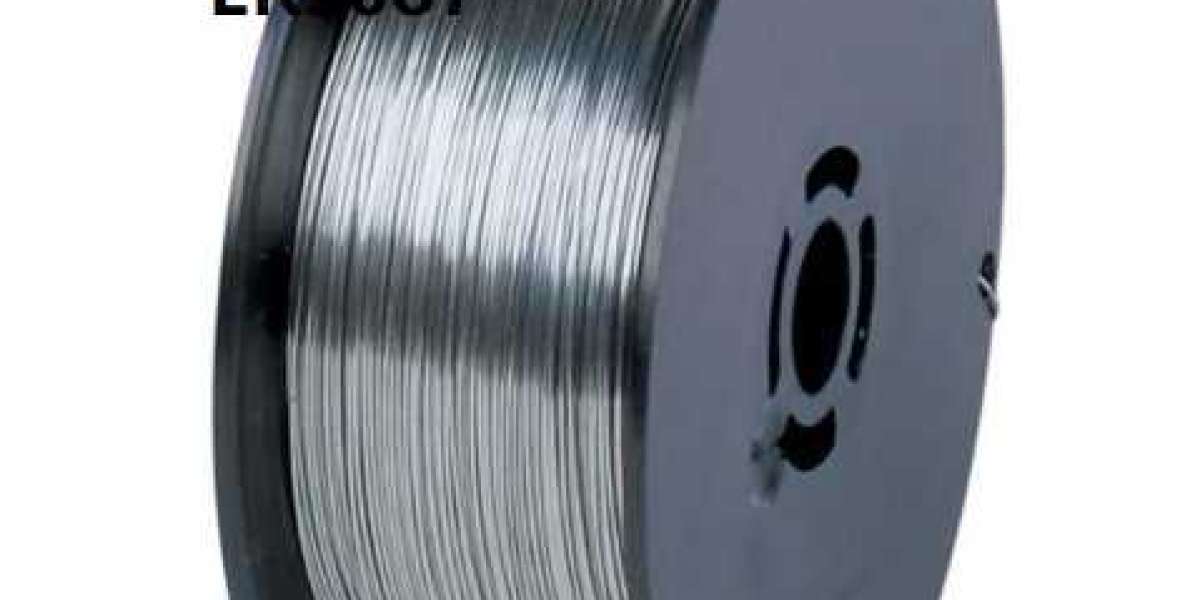

Selecting an appropriate filler metal can make a significant difference in aluminum fabrication, especially when projects require suitable mechanical properties, consistent weld formation, and reliable production results. Aluminum Welding Wire ER4943 is a useful option for manufacturers working with compatible aluminum alloys and seeking a filler material with specific strength characteristics. When evaluating different welding consumables, Aluminum Welding Wire ER4943 deserves attention for its silicon and magnesium alloying characteristics, which influence weld metal properties and make it relevant to various industrial joining applications. Understanding its composition and practical uses helps fabricators choose materials according to their project requirements.
Composition and Characteristics of ER4943
ER4943 is an aluminum-silicon-magnesium welding filler alloy developed for specific aluminum welding applications. Its composition distinguishes it from conventional aluminum-silicon filler metals and influences the mechanical characteristics of the resulting weld deposit.
Silicon helps improve molten metal fluidity and contributes to weld pool behavior during fabrication. Magnesium also plays an important role in the alloy system, influencing the strength characteristics of the deposited metal. The interaction between these elements makes ER4943 an option worth evaluating for projects where filler metal composition is an important consideration.
However, filler selection should never depend on alloy composition alone. Base material specifications, joint design, welding conditions, and required mechanical properties must all be considered before selecting a consumable.
Suitable Applications in Aluminum Manufacturing
Aluminum components are widely used in transportation equipment, industrial structures, machinery, and fabricated assemblies. These applications often involve different material thicknesses, joint configurations, and operating conditions, creating varied requirements for welding consumables.
ER4943 can be evaluated for compatible aluminum alloys in applications where its filler metal characteristics match the required engineering specifications. It may be considered in selected fabrication projects involving structural components, equipment housings, and aluminum assemblies.
For manufacturers, the ability to match filler metal characteristics with the base alloy is essential. Engineers should review applicable welding recommendations and conduct procedure testing when necessary. This approach helps ensure that the selected consumable is appropriate for the intended application rather than relying on general material descriptions.
Kunli Welding and Aluminum Consumable Selection
Choosing a welding wire supplier involves more than comparing product prices. Buyers also need to understand manufacturing consistency, available specifications, packaging arrangements, and technical communication.
Kunli Welding provides aluminum welding material options for different fabrication requirements. When evaluating ER4943 products, purchasing teams can pay attention to wire diameter, surface cleanliness, spool compatibility, and product documentation. These details influence material handling and help production teams organize their welding operations.
Consistent wire dimensions are particularly important for automated and semi-automated welding processes. Variations in wire condition or feeding characteristics may interrupt production and affect operational efficiency. Therefore, checking samples and confirming technical specifications before bulk purchasing can help businesses make more informed sourcing decisions.
Welding Preparation and Process Management
Good welding results depend on both filler material selection and proper process preparation. Aluminum naturally develops an oxide layer, which has a higher melting temperature than the underlying metal. Removing surface contaminants and preparing the joint correctly are important steps before welding begins.
During production, welding parameters should be adjusted according to material thickness, wire diameter, equipment capabilities, and joint configuration. Shielding gas selection, travel speed, current, and wire feeding conditions should follow suitable procedure recommendations.
Storage and handling also deserve attention. Aluminum welding wire should be protected from moisture, dust, oil, and other contaminants that could affect its surface condition. Proper storage practices help maintain material cleanliness between delivery and production.
Manufacturers should also establish inspection procedures for finished welds. Visual examination, dimensional checks, and appropriate mechanical testing can help determine whether the welded components meet the specified requirements.
Factors to Consider When Purchasing ER4943
Before placing an order, buyers should identify the aluminum alloy grades involved in their projects and confirm whether ER4943 is suitable for the intended joints. Technical documentation should be reviewed to understand composition limits, mechanical properties, and recommended welding applications.
Other purchasing considerations include available wire diameters, packaging formats, order quantities, and delivery arrangements. For companies managing regular production schedules, maintaining communication with suppliers can help coordinate inventory and reduce unnecessary purchasing delays.
A well-informed sourcing decision considers the entire production process, from incoming material inspection to final weld evaluation. As aluminum fabrication continues to serve diverse industrial sectors, selecting compatible filler metals remains an important part of manufacturing planning. Businesses looking for aluminum welding consumables and related product information can visit https://www.kunliwelding.com/ to explore available options and discuss suitable materials for their fabrication requirements.