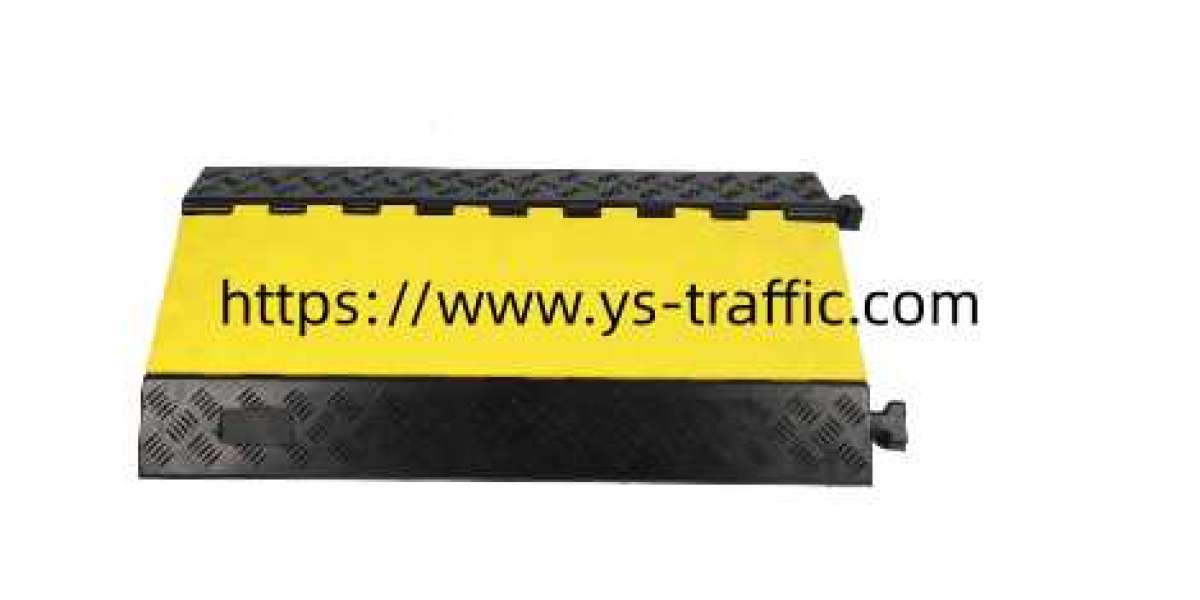

Cable Ramp selection involves several practical considerations, including material, channel dimensions, load requirements, and installation conditions. Buyers may need this equipment for construction sites, outdoor events, warehouses, parking areas, or temporary work zones. Since each location has different operating requirements, reviewing the intended application before ordering can help purchasing teams choose a suitable configuration and communicate specifications clearly with the manufacturer.
Start with the Actual Application
Before comparing product models, identify the location and purpose of the installation. An event venue may mainly involve pedestrians and equipment carts, while a warehouse entrance may receive delivery vehicles and material-handling equipment.
These differences affect the structural requirements. Buyers should identify the types of traffic expected to cross the installation and consider whether vehicle access will be occasional or frequent. A model designed for pedestrian movement should not automatically be assumed suitable for vehicle traffic.
It is also useful to measure the crossing area. Record the available width, ground surface, and approximate length that needs protection. Site photographs or a simple layout drawing can help the manufacturer understand the application and discuss suitable product dimensions.
Examine Material Composition
Rubber is commonly used in outdoor protection equipment because it offers flexibility and can be molded into different shapes. However, products made from rubber may vary in composition, density, and manufacturing process.
Buyers should ask manufacturers about the material used in the base and cover, where applicable. They can also request information about resistance to sunlight, rain, temperature changes, and regular contact with the ground.
For outdoor projects, environmental conditions deserve particular attention. A product installed in an exposed parking area may experience different conditions from one placed inside a warehouse. Asking for available material specifications and relevant test information helps buyers evaluate whether the selected model fits the intended environment.
Measure Channel Dimensions Carefully
The internal channel is where electrical lines or hoses are positioned, so its dimensions should match the actual items being protected. Buyers should measure the outside diameter or overall width and height of each line before selecting a model.
Channel quantity also matters. A single-channel configuration may suit a simple installation, while multiple channels can help separate different connections. The choice depends on the number of lines, their dimensions, and the layout of the project.
Avoid choosing a model based only on its external appearance. Internal width and height determine whether the contents can fit without unnecessary compression. Buyers should provide accurate measurements when requesting a quotation and confirm the usable channel dimensions shown in the technical drawing.
Confirm Load Requirements
The expected traffic is an important factor when evaluating structural specifications. A product used in a pedestrian walkway has different requirements from one that will be crossed by passenger vehicles or commercial equipment.
Buyers should identify the heaviest vehicle expected at the site and ask how the stated load capacity is measured. A rating may refer to a wheel, axle, or another defined test condition, so the basis should be clarified before comparing models.
Traffic frequency should also be discussed. Repeated crossings may create different demands from occasional access. Requesting technical documentation and checking any stated operating restrictions can help purchasing teams assess whether a particular configuration is appropriate.
Review Surface Design and Visibility
The upper surface influences how people and vehicles interact with the installation. A textured pattern may provide additional surface grip, while contrasting colors can make the product easier to recognize against the surrounding ground.
For locations with limited lighting, buyers may want to ask about reflective details or available color combinations. The actual requirements depend on the site layout, nearby lighting, and local safety practices.
Edge shape is another point to consider. The approach profile should be suitable for the pedestrians, carts, and vehicles using the area. Buyers can review product photographs and drawings to understand the surface pattern, overall height, and edge design before confirming an order.
Ask About Installation and Customization
Installation conditions can influence the final product configuration. Buyers should confirm whether the model is designed for temporary placement or requires mechanical fixing. Ground material, drainage, and the possibility of movement should also be considered.
For projects involving several connected sections, ask about compatible joining methods and end pieces. Confirm whether the required accessories are included or need to be ordered separately.
Customization may also be relevant when a project has specific dimensions, colors, or channel requirements. At ys-traffic, buyers can discuss application details, available product configurations, and manufacturing arrangements before placing an order. Providing measurements and site information helps make these discussions more specific.
Compare Supplier Information Before Ordering
A reliable purchasing process depends on clear communication. Buyers should request a complete specification sheet covering external dimensions, internal channel measurements, material details, product weight, load information, and available accessories.
It is also useful to confirm minimum order quantities, packaging methods, sample availability, production schedules, and shipping arrangements. For distributors and contractors handling multiple projects, consistent specifications can make inventory planning and repeat purchasing easier.When preparing an outdoor installation or industrial project, buyers can review product information and contact ys-traffic through https://www.ys-traffic.com/ Sharing the intended application, line measurements, expected traffic, and installation conditions gives the manufacturing team a practical basis for discussing product options and coordinating the order.