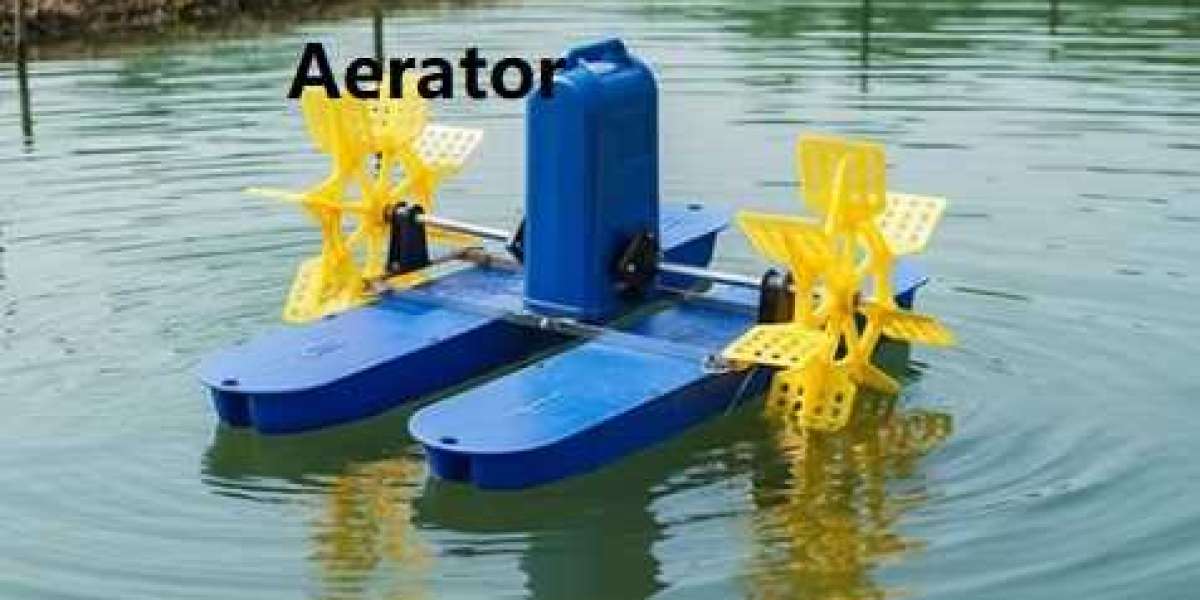

A well-organized aquaculture operation depends on equipment that can adapt to changing production demands and maintenance schedules. Beyond selecting an appropriate aeration machine, farm operators also need to understand the accessories that support its assembly and daily use. Main Spare Parts For Impeller Aerator play an important role when preparing maintenance plans, replacing worn components, or expanding existing equipment installations. By evaluating Main Spare Parts For Impeller Aerator according to machine configuration and application requirements, buyers can improve purchasing accuracy and establish a more practical approach to managing aquaculture machinery.
Different Roles of Impeller Aerator Components
An impeller aerator is made up of multiple mechanical and structural elements that work together during operation. The motor supplies power, the transmission system transfers mechanical movement, and the impeller creates water movement through rotation.
Supporting accessories help connect and position these assemblies. Depending on the equipment design, replacement requirements may involve shafts, connecting components, mounting structures, bearings, fasteners, or protective elements.
Understanding the function of each part helps operators identify which components require attention during inspection. It also makes communication with equipment suppliers more straightforward when ordering specific accessories.
Rather than treating every accessory as a general-purpose replacement, purchasers should consider its position and function within the complete machine.
How to Identify the Right Replacement Specifications
Correct identification is essential before purchasing aerator accessories. Different machine models may have similar external structures while using different dimensions, mounting arrangements, or connection methods.
Buyers should begin by checking the equipment model and original component information. Measurements such as shaft diameter, mounting distance, connection size, and overall dimensions can provide useful references during product confirmation.
Photographs can also help suppliers understand the component's appearance and installation position. However, visual comparison alone may not be sufficient when two parts have similar shapes but different technical specifications.
For larger orders, requesting product drawings or confirming sample dimensions before production can help reduce misunderstandings. This approach is particularly useful for distributors handling accessories for several aerator models.
ChinaAerator Accessories for Aquaculture Equipment Projects
When sourcing products from ChinaAerator, customers can communicate their equipment models, component requirements, and intended applications to identify suitable accessory options.
Different aquaculture projects may have different purchasing priorities. A fish farm replacing an individual component may focus on matching an existing assembly, while an equipment distributor may need several component categories for inventory planning.
Project contractors may also require accessories for equipment installation, repair, or facility expansion. In these situations, clear product classification and accurate specifications make the purchasing process easier to organize.
Packaging and labeling should not be overlooked either. Identifying component models and quantities can simplify warehouse operations, particularly when multiple accessory types are delivered together.
Storage and Handling of Aerator Spare Parts
Proper storage helps maintain the condition of spare components before installation. Mechanical accessories should be kept in an organized environment where they are protected from unnecessary moisture, dust, and physical impact.
Small fasteners and connecting elements are easier to manage when separated into labeled containers. Larger mechanical components should be placed on suitable shelves or supports to prevent deformation and accidental damage.
During transportation, protective packaging can help reduce surface scratches and impacts. Components with machined surfaces or specific fitting dimensions may require additional protection to preserve their condition.
For businesses maintaining equipment inventories, a simple stock management system can record part numbers, incoming quantities, storage positions, and replacement history. This information makes future purchasing and warehouse planning more efficient.
Building a More Practical Spare Parts Purchasing Plan
A suitable purchasing strategy begins with understanding how the aeration equipment is used. Operators should consider the number of installed machines, operating schedules, existing component conditions, and possible future maintenance requirements.
For distributors, product selection should also reflect customer demand and the equipment models commonly used in their markets. Keeping frequently requested accessories available can make order preparation more convenient without creating unnecessary inventory pressure.
Before submitting an inquiry, buyers can prepare equipment photographs, model references, technical drawings, and estimated quantities. Providing these details gives suppliers a clearer understanding of the required products and helps establish more accurate purchasing communication.
For aquaculture equipment wholesalers, maintenance contractors, and fish farm operators, reliable component sourcing is an important part of keeping machinery projects organized. Whether you need individual replacement accessories or a coordinated supply of different impeller aerator components, visit https://www.chinaaerator.net/ to explore available product options and discuss your purchasing requirements.