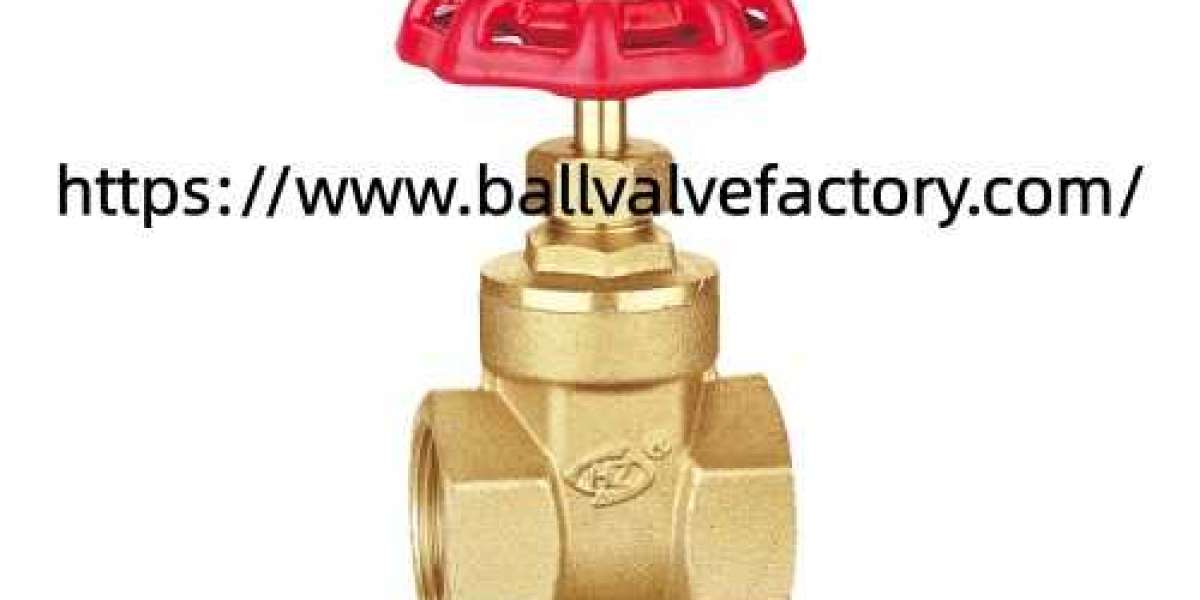

Butterfly Handle Valve selection involves more than choosing a convenient operating component for a piping system. Buyers also need to consider material compatibility, installation conditions, operating habits, and the overall design. In industrial environments, every component has a role in keeping fluid transportation organized. A practical manual control solution can make routine operation easier while fitting different pipeline layouts. For manufacturers and project purchasers, understanding these details helps create a clearer purchasing plan.
Material selection is an important starting point when evaluating industrial flow control products. Different working environments place different demands on metal surfaces, internal components, and sealing materials. Cast iron, ductile iron, carbon steel, and stainless steel are common material options across industrial equipment. Each has its own characteristics in terms of mechanical properties, corrosion resistance, processing, and maintenance. The appropriate choice depends on the fluid being transported and the surrounding environment.
For example, water treatment facilities may have different material requirements from chemical processing workshops. Outdoor installations may also face moisture, changing weather, and environmental exposure. Buyers should consider whether the selected construction materials are suitable for long term contact with the working medium. Seal compatibility deserves attention as well because sealing components directly influence leakage prevention and operational reliability. Discussing actual working conditions with a manufacturer can help narrow down suitable configurations.
Another interesting consideration is how manual operation influences daily workflow. Industrial equipment is not simply evaluated by its technical construction. Operators also interact with it throughout regular production activities. An accessible operating mechanism allows workers to identify the operating position and carry out routine adjustments according to established procedures. Clear position indicators, comfortable operating arrangements, and stable mechanical connections can all contribute to a more organized working experience.
In facilities where equipment is inspected regularly, simple operation can make routine checks easier to arrange. Maintenance personnel may need to access different sections of a pipeline during scheduled inspections. A practical mechanical structure can support these activities without introducing unnecessary operational complexity. However, the operating method should always match the actual application. Buyers should confirm whether the selected configuration is suitable for the intended isolation or flow adjustment requirements.
Installation compatibility is another subject worth considering before placing an order. Pipeline systems can differ in connection arrangements, available installation space, surrounding equipment, and maintenance access. A product that fits the intended layout can help reduce unnecessary changes during installation. Purchasing teams should therefore review connection types, installation drawings, and the dimensions of related pipeline components before confirming their selection.
The relationship between product design and maintenance also deserves attention. Industrial equipment operates as part of a larger system, so individual components need to work alongside pipes, fittings, pumps, and other equipment. A compact structural arrangement may be useful where installation space is limited. A clearly organized exterior can also help maintenance personnel identify the operating mechanism and inspect visible components more conveniently.
Surface treatment and exterior finishing are additional details that influence purchasing decisions. Industrial products may be installed in workshops, water treatment facilities, commercial buildings, or outdoor utility areas. Their appearance should suit the surrounding environment while supporting practical maintenance requirements. Protective coatings and appropriate surface treatments can help address environmental exposure, depending on the selected material and application. Buyers should ask manufacturers about available finishes and their suitability for the intended installation location.
Technology development has also influenced how industrial equipment is designed and manufactured. Modern production processes involve material inspection, machining, assembly, and quality control procedures. These stages help manufacturers maintain consistency across production batches. For purchasing teams, understanding how a supplier manages manufacturing operations can provide useful information when comparing potential partners. Product drawings, material documentation, inspection arrangements, and communication during order preparation are all worth reviewing.
Different industries also have different expectations. Water distribution projects may focus on fluid compatibility and routine operation. Manufacturing facilities may pay closer attention to maintenance access and equipment coordination. Commercial building projects may consider installation appearance, available space, and compatibility with existing infrastructure. Recognizing these differences helps buyers avoid choosing products based only on their appearance or general descriptions.
Supplier communication is equally important during procurement. A manufacturer should be able to discuss application requirements, material choices, connection arrangements, and customization possibilities. Clear communication helps both parties understand the intended use before production begins. It can also reduce misunderstandings when buyers are sourcing products for different markets or project specifications.
For distributors and engineering contractors, having access to different product configurations can make purchasing arrangements more flexible. They may need to serve customers with different installation preferences and working environments. A manufacturer with relevant production experience can discuss product details and help coordinate requirements throughout the purchasing process.
Qixiang focuses on industrial flow control product manufacturing and provides product options for customers with different project requirements. By paying attention to structural design, material selection, manufacturing processes, and practical application needs, the company aims to support customers in making informed purchasing decisions. Whether sourcing for an individual project or developing a regular supply relationship, buyers can review the available product range and discuss their requirements through the official product page at https://www.ballvalvefactory.com/product/ This provides a convenient starting point for learning about Qixiang products, reviewing available options, and establishing contact for further product discussions.