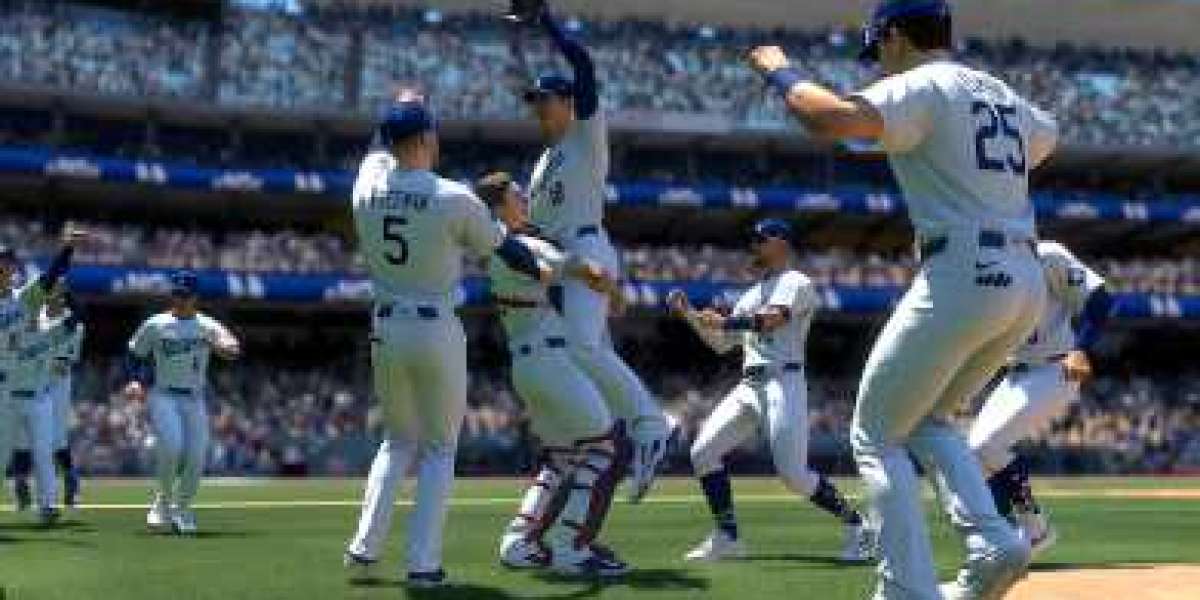

Unlocking William Contreras as the World Series MVP reward is a good reason to audit your Postseason binder, but it is not a signal to liquidate every card immediately. In MLB The Show 26, the smarter question is what each card still does for your roster, collections, and Parallel XP goals before you turn it into MLB 26 stubs. That approach protects useful depth while freeing resources for named Finest players.
Sort cards by function before checking prices
Begin with the binder filter set to the 2026 Postseason Series. Review the cards one at a time and assign a reason to keep each one: an unfinished collection, a regular lineup role, or a Parallel XP objective. A card that fills a collection gap has value even if it rarely enters a game, while a duplicate with no task attached is a more realistic sale candidate.
Lineup value should be judged by the position you actually need, not by the card's overall rating alone. A Postseason catcher may remain useful as a designated hitter or bench bat if its power profile fits your squad better than the alternatives. A completed catcher collection does not make every remaining catcher disposable, especially when your active roster still lacks a reliable right-handed option.
Use demand to set a practical selling pace
Once a card fails all three hold checks, inspect the active listings before posting it. Recognizable players tend to attract more attention than fringe bench pieces, but neither category guarantees an immediate sale. A modest price adjustment can be more efficient than leaving an unpopular card listed at an ambitious number while your Stubs remain locked in the order.
Sell duplicates in small groups instead of placing a large stack at once. Twenty identical listings can make the visible price less attractive and may reduce the return on cards you planned to keep. Post a few, wait through a quieter market period, then review the listing position before adding another group. If an order sits through two such periods, cancel it and make one deliberate adjustment rather than repeatedly changing the price.
Keep rewards separate from sellable inventory
No-Sell rewards should not be included in your sale calculations because they cannot be listed. They can still contribute to Parallel XP, occupy a useful bench role, or support a lineup requirement. Mark them separately in your notes so they do not distort the amount of inventory you believe is available.
New packs can change the decision quickly. A fresh duplicate may replace a card in your lineup, complete a collection requirement, or give you a better option for a Parallel XP task. Recheck the filter after opening packs instead of relying on an old hold list. Three simple labels such as collection, starter, and Parallel XP are enough to track the reason behind each kept card.
Turn sales into planned upgrades
Use the proceeds for a defined Finest target before spending on random packs. If a Monster Smash feeder advances a reward you can finish before November 6, it can deserve priority over a less important purchase. The key is to connect each buy to a collection step or lineup improvement rather than allowing a successful sale to create an impulse-spending cycle.
Chase Packs can be tempting after a strong binder cleanup, but they compete directly with guaranteed upgrades. Set the next target before you post anything, then stop selling when that target is covered or only your protected cards remain. Save a screenshot of the final hold list for your next session, and reconsider the plan only when new rewards, collections, or lineup needs change.
Before your next audit, filter the Postseason cards, remove only the duplicates with no active purpose, and review each listing after the market has had time to absorb it. If your planned Finest purchase still falls short, compare its value with the cost of buy MLB 26 stubs rather than emptying the binder blindly. Keep the decision tied to a specific collection or roster upgrade.


populaire posts
-
 Elevating Businesses Through Award-Winning Business and Technology Consulting
Door Laverne Goris
-
 Outlook data file cannot be accessed after migration to new computer
Door Antonia Harford
-
 Exchange Server Client Connectivity Diagnostic Exchange Server Microsoft Learn
Door Gertrude Dunningham
-
 Outlook 365 OST Repair prompting even without any profile Solved Software & Applications
Door Madie Champlin
-
Smart Ways to Tackle HVAC Repair This Season
Door Ashli Keating