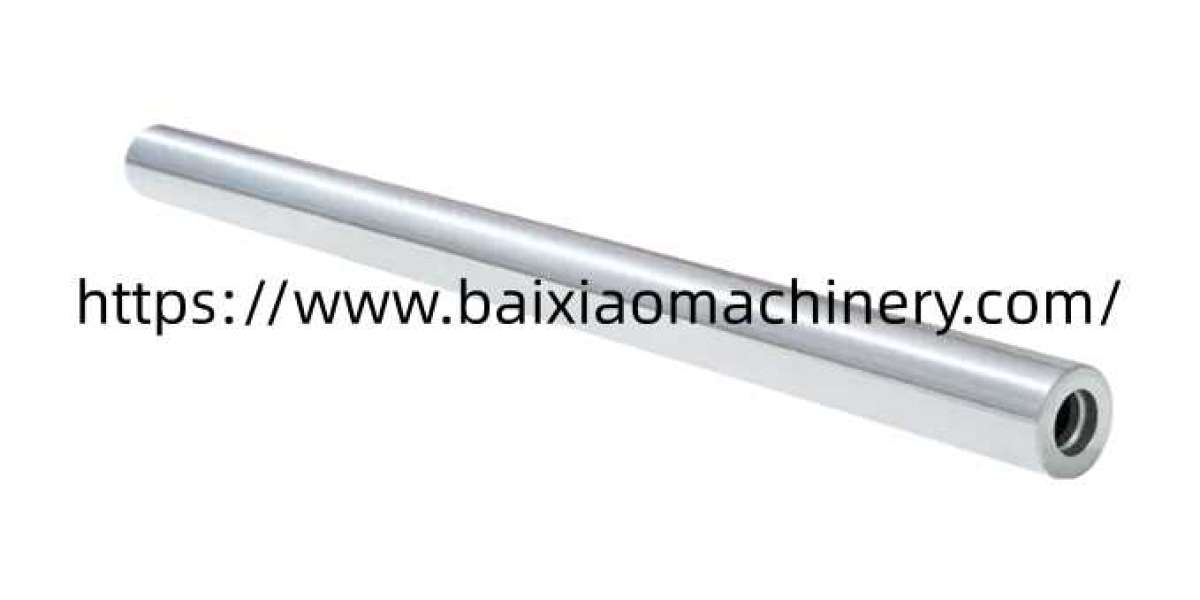

Guide Roller design is an important consideration in manufacturing environments where flexible materials need to travel through different stages of production. Printing, packaging, textile processing, and paper converting all involve continuous material movement. During these operations, maintaining an appropriate travel path can influence processing consistency, equipment coordination, and operator convenience. Although these mechanical components may appear simple, their construction involves several details that deserve attention when selecting parts for industrial machinery.
One important consideration is the material used during manufacturing. Different metals offer different combinations of weight, rigidity, corrosion resistance, and processing characteristics. Aluminum is often considered when a relatively lightweight structure is required. Steel may be selected for applications where additional structural rigidity is part of the design requirements. The decision should reflect the machine configuration, working environment, and type of material being processed.
Material selection also needs to account for the surrounding production conditions. Some facilities handle paper and cardboard, while others process plastic films, textiles, or flexible packaging materials. These substrates have different surface characteristics and contact requirements. A component intended for one application may need a different construction or finishing method when used in another environment.
Surface treatment is another factor that attracts attention among machinery designers. Polishing, anodizing, sandblasting, and other finishing methods can influence the appearance and surface characteristics of metal components. A smooth contact surface may be appropriate for applications involving sensitive materials, while a specially treated finish may be considered when environmental exposure or wear resistance is a concern.
Buyers should avoid choosing a surface treatment based only on its visual appearance. Instead, they can discuss the processed material, operating environment, cleaning procedures, and expected contact conditions with the manufacturer. This information helps establish whether a particular finish is appropriate for the intended production process.
Mechanical structure also deserves careful evaluation. The body design, shaft connection, bearing arrangement, and installation method all influence how a component fits into an existing machine. Before purchasing a replacement part, maintenance teams should review the equipment drawings and inspect the original installation structure. Providing photographs or physical samples can help suppliers understand the actual requirements.
Another subject worth considering is material alignment. In continuous processing equipment, substrates travel through multiple sections before reaching the next production stage. Changes in travel direction, uneven contact, or incorrect installation can contribute to wrinkles and unwanted movement. Proper equipment arrangement and compatible mechanical components can help manufacturers manage these conditions.
Bearing selection and rotational behavior are also relevant. Different production environments have different operating demands, and the mechanical assembly should be evaluated according to its intended application. Buyers may discuss bearing arrangements, rotational balance, installation accuracy, and maintenance access with suppliers. These details are particularly useful when planning replacement components for existing production lines.
The operator experience is another aspect that should not be overlooked. Machinery components that are accessible for inspection and cleaning can make routine maintenance easier to organize. Production environments may expose equipment to dust, adhesive residues, ink, or other substances. A suitable external structure and appropriate maintenance procedures can help operators manage regular cleaning without unnecessary disruption.
Customization is often considered when standard components do not match existing machinery. Equipment manufacturers may have different installation arrangements, connection structures, and material handling requirements. Some projects also involve special surface patterns or particular structural configurations. In these situations, sharing drawings and application details before manufacturing can help both parties establish clear expectations.
Product inspection is equally relevant during supplier evaluation. Buyers can ask about raw material selection, machining procedures, assembly practices, and finished product inspection. Consistent manufacturing processes help suppliers maintain clear production requirements across different orders. Communication about packaging and transportation is also useful when components need to reach overseas equipment manufacturers or distributors.
For printing and packaging businesses, coordination between different machine sections is an important part of production planning. Materials may pass through unwinding, feeding, printing, coating, slitting, and rewinding operations. Each stage involves different mechanical requirements. Considering component compatibility within the complete machine system can help businesses avoid treating individual parts as isolated purchases.
Baixiao Machinery provides industrial mechanical components for applications involving printing, packaging, plastics, and paper processing. Its manufacturing range includes different structural configurations and surface treatment options for machinery users with varying application requirements. By discussing material choices, installation arrangements, and working conditions, buyers can communicate their expectations more clearly during the product selection process.
Appearance also contributes to equipment design. Consistent surface finishing and coordinated mechanical structures can help maintain a unified appearance across industrial machinery. However, visual considerations should always be evaluated alongside functional requirements, maintenance arrangements, and installation compatibility. A thoughtful purchasing process considers how a component will fit into the wider equipment environment rather than focusing on one feature alone.
As manufacturing processes continue to handle different substrates and production methods, mechanical component selection remains connected to practical operating needs. Buyers who evaluate material properties, surface conditions, structural compatibility, and maintenance requirements together can make more informed decisions. Baixiao works with industrial customers to discuss component configurations and manufacturing requirements for different machinery applications. Businesses planning equipment upgrades, replacement purchases, or customized projects can visit https://www.baixiaomachinery.com/product/ to review the available product range and identify options relevant to their production systems.