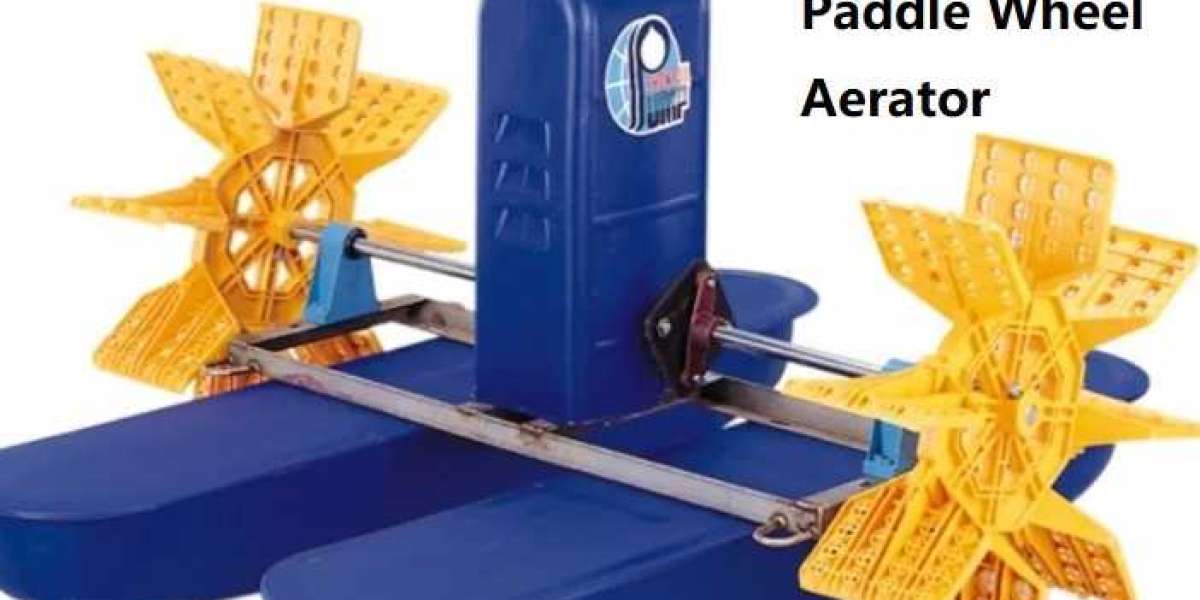

In modern aquaculture, choosing equipment that matches pond conditions can help operators organize water movement and maintain suitable growing environments. When evaluating a Surge Aerator , farm managers should consider pond shape, water depth, production intensity, and the intended circulation pattern. A well-matched Surge Aerator can contribute to water movement and aeration as part of a broader pond management strategy, helping operators coordinate equipment use with routine monitoring, seasonal changes, and the needs of their aquatic stock.
Understand Water Movement in Different Pond Environments
Ponds differ in their dimensions, depth, stocking levels, and water exchange arrangements. These differences influence how water moves and where aeration equipment may be most effective. Before selecting a model, operators should assess the pond's physical layout and identify areas where circulation may require additional attention.
The intended application also matters. A fish farm focused on steady production may have different operating priorities from a facility raising shrimp or managing several separate ponds. Reviewing these requirements helps buyers determine which equipment characteristics deserve the most attention. A clear understanding of the site can also make installation planning more efficient and reduce the risk of choosing a model that does not suit the operating environment.
Match Equipment Selection to Production Priorities
Aquaculture management involves balancing stocking density, feeding schedules, water quality, and equipment capacity. As production intensity increases, the farm may need more careful monitoring of dissolved oxygen and other environmental indicators. Equipment selection should therefore reflect the farm's operating plan rather than rely on a single general rule.
Buyers should review product specifications, recommended applications, power requirements, and installation instructions before making a decision. Where multiple units are needed, their arrangement should be planned according to pond conditions and manufacturer guidance. Appropriate placement can help operators coordinate water movement while maintaining practical access for feeding, inspection, and harvesting activities.
Consider Installation Conditions and Daily Operation
The surrounding environment can influence how an aerator is installed and maintained. Pond banks, water depth, access routes, power availability, and nearby farm infrastructure should all be reviewed before equipment is positioned. A carefully planned installation can make routine inspection more convenient and help workers avoid unnecessary interference with other production activities.
Operators should also establish clear procedures for starting, stopping, and checking the equipment. Following the manufacturer's instructions helps maintenance teams understand the correct operating sequence and identify potential problems. For facilities with several ponds, documenting equipment locations and inspection schedules can make daily management more consistent.
Explore Surge Aerator Solutions With ChinaAerator
For aquaculture equipment buyers, comparing products requires a clear understanding of the intended application. Pond dimensions, production methods, operating schedules, and maintenance resources can all influence the final purchasing decision. Buyers should review product specifications and confirm installation requirements before selecting a model.
ChinaAerator provides a starting point for exploring surge aeration equipment and related product information. Distributors, farm owners, and project purchasers can review available details and communicate their specific requirements when requesting further information. Confirming technical specifications, supply arrangements, and maintenance considerations before ordering can help buyers coordinate equipment procurement with farm development plans.
Establish a Consistent Monitoring Routine
Aeration equipment works best as part of an organized water management program. Operators should monitor dissolved oxygen, temperature, and other relevant water quality indicators according to the needs of their aquatic species. Visible water movement alone cannot confirm that oxygen conditions are suitable throughout a pond.
Regular equipment inspections can complement these measurements. Maintenance teams should check accessible components, mounting arrangements, and connections in accordance with manufacturer guidance. Any unusual vibration, noise, or change in operation should be investigated using appropriate safety procedures.
Farm managers can record monitoring results alongside equipment operating hours and maintenance activities. Reviewing these records helps identify recurring conditions and supports better planning as weather, stocking levels, and feeding schedules change. By combining suitable equipment selection with careful installation and consistent monitoring, aquaculture businesses can develop a practical approach to pond management. To explore available products and learn more about surge aeration equipment, visit https://www.chinaaerator.net/ .