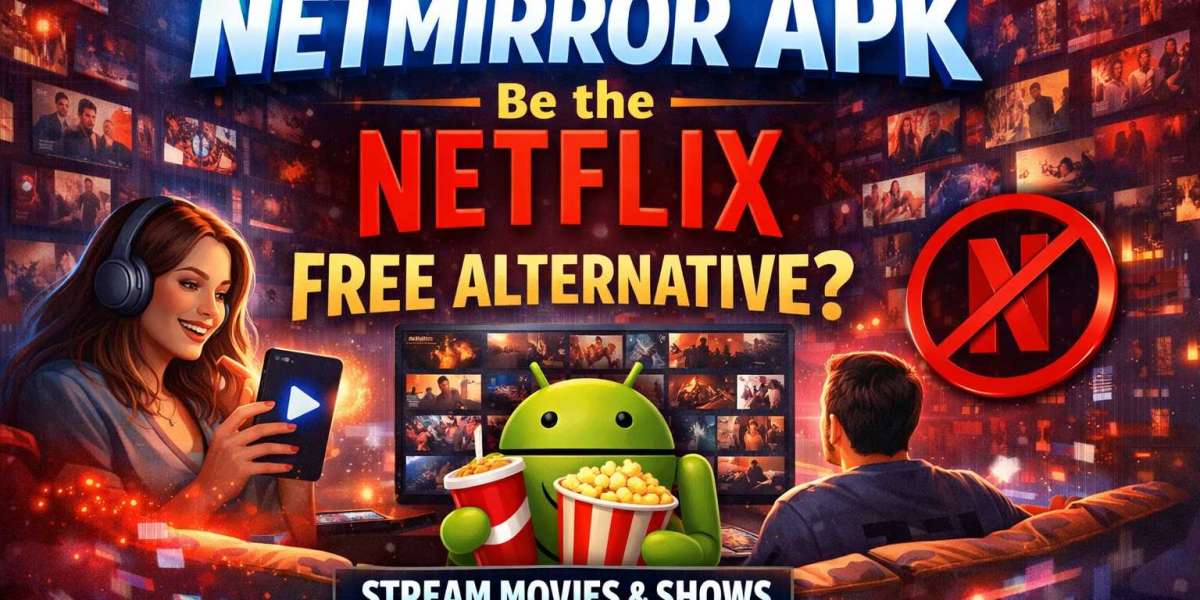

You see the promise everywhere online. "Watch Netflix for free!" "No subscription needed!" "All the latest shows and movies!" Netmirror APK pops up in forums, YouTube comments, and sketchy download sites claiming to unlock Netflix's entire library without costing a penny. It sounds like the ultimate hack, the secret backdoor, the solution to your streaming budget woes.
But before you download that APK file and hand over your device permissions, you need to understand what you're actually getting into. Is Netmirror a clever workaround or a digital trap? Can it truly replace your Netflix subscription, or will it cost you far more in the long run? Let's dissect this phenomenon completely, honestly, and without the hype that surrounds these unauthorized apps.
What Exactly Is Netmirror APK?
Netmirror belongs to a category of applications often called "Netflix mod APKs" or "Netflix clone apps." They promise Netflix's content library through unofficial channels.
The Promise: Free Netflix Content Without Subscriptions
The marketing hits every pain point. Tired of monthly bills? Want Stranger Things without paying? Netmirror claims to deliver Netflix's interface, recommendations, and streaming catalog completely free. Screenshots show familiar red branding, recognizable show thumbnails, even user profiles. It mimics legitimacy while operating outside any legal framework. For desperate viewers facing subscription fatigue, the temptation feels overwhelming.
How It Technically Works
These apps typically function through several questionable methods. Some scrape Netflix's web interface and rebroadcast streams through their own servers. Others use stolen account credentials to piggyback on legitimate subscriptions. A few simply embed pirated video files hosted on offshore servers. None obtain proper licensing. None pay content creators. The "APK" format matters because Android allows sideloading apps outside Google's Play Store, bypassing security vetting entirely. You're installing software from unknown sources with full device access.
The Legal Reality Check
Let's be absolutely clear about where Netmirror stands in legal territory.
Copyright Infringement Explained Simply
Netflix pays billions annually for content rights. Every movie, every show, every documentary involves contracts specifying who can watch, where, and how. Netmirror ignores all of this. When you stream through these apps, you're accessing content without authorization. This constitutes copyright infringement in virtually every jurisdiction. Laws vary in enforcement intensity, but the underlying illegality remains universal. You're not "sticking it to corporations." You're participating in theft of intellectual property.
Why "Free Streaming" Apps Often Break Laws
Legitimate free platforms exist through advertising support or public funding. Unauthorized apps like Netmirror skip both revenue models. They don't compensate creators, studios, or platforms. They don't maintain infrastructure legally. Their entire operation depends on circumventing protections built into the streaming ecosystem. This isn't gray area territory. It's clearly, demonstrably illegal, regardless of how commonly these apps circulate.
Security Risks You Can't Ignore
Legal concerns aside, Netmirror poses genuine threats to your digital life.
Malware Hidden in APK Files
APK files from unofficial sources carry no security guarantees. Malicious actors frequently disguise malware as popular streaming apps. Ransomware locks your device demanding payment. Cryptominers drain processing power and battery life. Banking trojans wait for financial app usage. You cannot verify what Netmirror actually contains. Antivirus software often misses sophisticated threats. By installing, you grant unknown code extensive permissions.
Data Theft and Privacy Violations
These apps request alarming permissions: camera access, contact lists, location tracking, storage reading. Why would a streaming app need your camera? It shouldn't. Yet users routinely grant permissions to get "free" content. Your personal data becomes inventory sold to criminals or used for identity theft. The app sees everything on your device. Everything.
The Credential Harvesting Problem
Many Netflix clone apps specifically target Netflix credentials. They prompt users to "log in to verify" or "connect your account." Entering any password exposes it to theft. Even if you create fake credentials, the app might harvest device information linking to your real identity. Credential stuffing attacks use this data across multiple services. Your Netflix password becomes your bank password vulnerability.
Performance and Reliability Issues
Assume you accept the risks. Does Netmirror actually deliver?
Buffering, Crashes, and Disappearing Content
Unauthorized streaming relies on unstable infrastructure. Pirated streams buffer constantly, drop resolution unpredictably, or fail entirely. Content disappears without warning when sources get shut down. New releases often appear days or weeks late, in terrible quality, with hardcoded foreign subtitles. The "Netflix experience" these apps promise never materializes. You get frustration instead of entertainment.
No Customer Support When Things Break
Netflix employs thousands ensuring service reliability. Netmirror offers nothing. When streams fail, when malware strikes, when data gets stolen, you have zero recourse. No refunds because you paid nothing. No help desk because no legitimate company operates the service. You're entirely alone with your compromised device and stolen information.
The Ethical Dimension
Beyond personal risk, these apps damage the entertainment ecosystem.
Who Actually Pays for "Free" Content?
Netflix subscriptions fund production of shows you love. Stranger Things, The Witcher, Squid Game, these exist because paying customers support them. When viewers shift to unauthorized apps, revenue drops. Budgets shrink. Shows get cancelled. Quality declines. Your "free" viewing directly reduces future content creation. You're consuming without contributing to production.
Impact on Content Creators
Individual actors, writers, directors, crew members, all depend on streaming revenue. Piracy doesn't hurt abstract corporations alone. It reduces residuals paid to working professionals. It eliminates jobs in production. It makes risky, innovative projects financially unviable. The creative industry contracts when unauthorized viewing expands. Your entertainment choices shape what gets made next.
Legitimate Free Alternatives That Actually Work
You don't need Netmirror's risks. Legal free streaming flourishes currently.
Tubi, Pluto TV, and the Legal Free Tier
Tubi offers 50,000+ titles completely free with minimal ads. Fox Corporation owns and operates it legitimately. Pluto TV provides 250+ channels plus on-demand content from Paramount. Peacock Free, Freevee, Crackle, all deliver genuine entertainment without subscription or legal risk. These platforms pay licensing fees, maintain security standards, and offer reliable streaming. They simply operate on advertising models rather than subscriptions.
Library Apps: Kanopy and Hoopla
Your public library already pays for streaming access. Kanopy offers Criterion Collection films and acclaimed documentaries. Hoopla provides movies, television, comics, and audiobooks. These services cost nothing beyond taxes you already pay. Quality exceeds most unauthorized apps. Security matches bank standards. You support public institutions rather than criminals.
Why Netflix Cracks Down on These Apps
Netflix invests heavily in combating unauthorized access, and understanding their motivation clarifies the landscape.
The Technical Arms Race
Netflix employs sophisticated DRM (Digital Rights Management) protecting content. They monitor for credential sharing patterns. They pursue legal action against app distributors. They update applications to detect modifications. This constant evolution means Netmirror and similar apps break frequently, requiring constant updates from developers who may simply abandon projects when pressure increases. Your "solution" becomes obsolete repeatedly.
Account Sharing vs. Unauthorized Access
Netflix recently tightened password sharing rules, generating backlash. Some users turned to apps like Netmirror in protest. However, account sharing exists in contractual gray areas while unauthorized apps represent clear illegality. Netflix tolerates some sharing as marketing. They aggressively pursue criminal distribution. Using Netmirror places you in entirely different enforcement category than sharing with your sister.
Real User Experiences: What Actually Happens
Ignore promotional content. Actual user reports reveal consistent patterns.
The Honeymoon Phase
Initially, some users report satisfaction. Streams work, content appears, the price feels right. This period typically lasts days or weeks. Early versions sometimes function adequately before attracting attention. Positive reviews often come from this brief window before reality intervenes.
When It All Falls Apart
The collapse follows predictable patterns. Streams buffer endlessly. The app demands "updates" installing additional malware. Devices slow dramatically. Personal accounts get hacked. Bank notifications appear for unauthorized transactions. Users find themselves locked out of email, social media, financial services. Recovery takes months. Costs exceed years of legitimate Netflix subscriptions. The "free" experiment becomes an expensive nightmare.
Making the Smart Choice
Evaluate honestly what you actually need versus what you're risking.
Risk Assessment for Casual Viewers
Casual viewers particularly shouldn't gamble with security. You watch occasionally, sporadically, without intense urgency. Why expose your device, data, and identity for content you'll casually enjoy? Legitimate free options satisfy casual needs perfectly. The risk-reward calculation fails completely. Saving $15 monthly isn't worth potential identity theft, ransomware, or device destruction.
When Free Isn't Actually Free
Calculate true costs. Netmirror requires VPN subscriptions to function safely (adding monthly expense). It demands technical troubleshooting consuming your time. It risks device replacement if malware damages hardware irreparably. It potentially costs thousands in fraud recovery. Compare this against Tubi's zero-dollar, zero-risk offering. The math becomes obvious.
Conclusion
Netmirror APK cannot legitimately replace Netflix. It offers stolen content through insecure channels, exposing users to legal liability, malware infection, data theft, and financial fraud. The performance fails to match promises. The reliability collapses under pressure. The ethical implications undermine creative industries you presumably want to support.
Free streaming alternatives abound legally. Tubi, Pluto TV, library services, and advertising-supported tiers from major platforms deliver genuine entertainment without any risk. These options respect creators, protect users, and provide sustainable viewing experiences.
The question isn't whether Netmirror works technically, it's whether you're willing to sacrifice security, legality, and ethics for temporary access to content available elsewhere legitimately. For rational viewers, the answer must be no. Choose safety. Choose sustainability. Choose the abundant legal options that don't demand compromising everything else you value.
Frequently Asked Questions
Is using Netmirror APK actually illegal or just against Netflix's terms of service?
Using Netmirror constitutes copyright infringement, which is illegal under federal law in the United States and similar statutes internationally. This exceeds contractual violations. While individual users rarely face prosecution, the activity remains clearly unlawful. Distributing or developing such apps carries severe criminal penalties. You're participating in organized piracy, not merely violating a user agreement.
Can I get caught using Netmirror and what would happen?
Detection methods vary. ISPs can monitor traffic patterns identifying unauthorized streaming. Netflix actively tracks credential usage across unusual locations and devices. Legal action against individual users remains rare due to enforcement costs, but not impossible. More commonly, users suffer consequences through malware infection, data theft, or device compromise rather than legal prosecution. The risks are real, just not always legal in nature.
Are there any "safe" versions of Netmirror or similar apps?
No. The fundamental architecture of these apps requires circumventing security and legal protections. "Safe" versions might temporarily lack malware, but they remain illegal and unstable. Any APK downloaded from unofficial sources carries inherent risk regardless of reputation or reviews. The only genuinely safe approach involves avoiding these applications entirely.
Why do people recommend Netmirror if it's so dangerous?
Recommendations often come from three sources: developers profiting from distribution, users in early honeymoon phases before problems emerge, or compromised accounts posting automatically. Some regions lack legitimate streaming access, creating desperate demand. Social proof builds through ignorance rather than safety verification. Critical evaluation reveals these recommendations rarely come from long-term satisfied users.
What should I do if I already installed Netmirror?
Uninstall immediately. Run comprehensive antivirus scans using multiple tools. Change all passwords used on the device or entered while the app was installed. Monitor financial accounts for unauthorized activity. Consider factory resetting the device if performance seems compromised. Document any suspicious activity for potential fraud reports. Prevention beats recovery, but quick response minimizes damage after exposure.