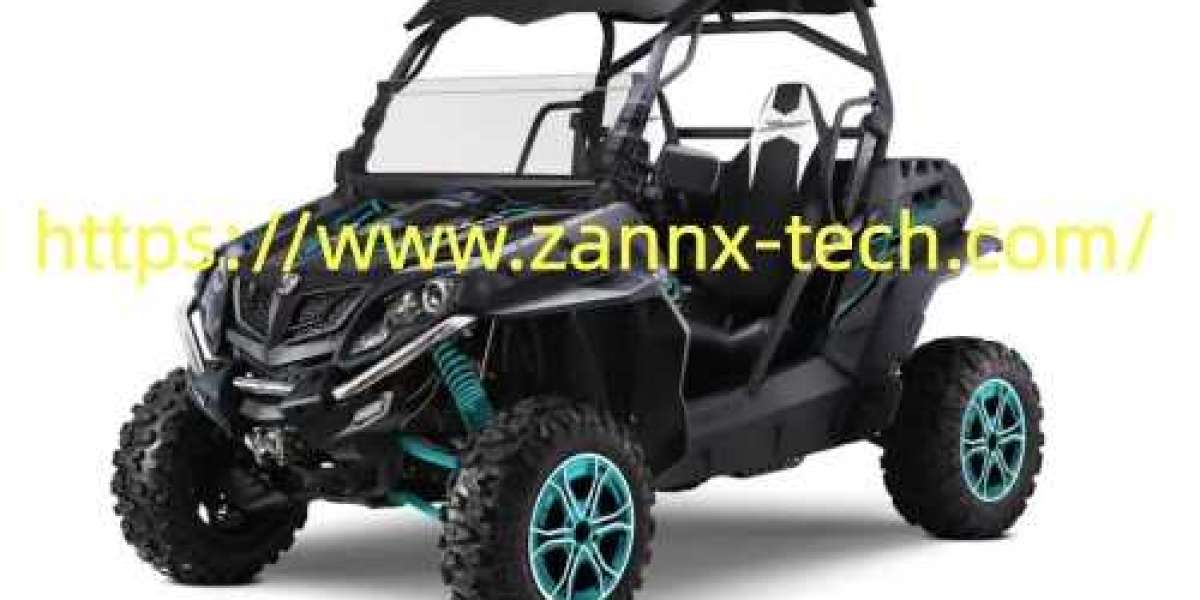

Farm UTV selection becomes easier when buyers start with the jobs they need to complete rather than a list of specifications. Every agricultural property has its own rhythm. Some operators move feed between barns, others carry fencing materials across large fields, and many switch between hauling supplies, checking livestock, and inspecting remote areas throughout the day. The right vehicle should fit these routines, suit the terrain, and offer practical features that make everyday work more manageable. For manufacturers and buyers alike, understanding these differences is an important part of choosing equipment that serves a real purpose.
Cargo capacity is a sensible place to begin. A small property may require space for hand tools, bags of feed, and maintenance supplies. A larger operation might need to move heavier materials or carry equipment between several work areas. Buyers should consider both the weight and the shape of their typical loads. A generous cargo area has limited value if awkward items are difficult to secure or unload. Useful tie down points, a practical bed layout, and convenient access can make a noticeable difference during repeated trips.
Terrain deserves equal attention. Flat pasture, loose gravel, wet soil, and sloping ground create different demands on a utility vehicle. Ground clearance affects the ability to pass over ruts and small obstacles, while tire selection influences traction on different surfaces. Buyers should also check turning space, braking performance, and stability under the loads they expect to carry. A vehicle used around narrow barn entrances may need a compact footprint, whereas properties with widely separated fields may place greater importance on range and travel comfort.
Power and drivetrain design should reflect the work rather than an imagined worst case. Light transport around storage buildings may call for different capabilities from moving materials across rough tracks. Before comparing models, operators can list their regular tasks and identify occasional jobs that require additional capacity. This simple exercise helps prevent paying for features that rarely serve a useful purpose. It also reduces the chance of choosing a vehicle that struggles with routine demands.
Operator comfort is easy to overlook when a purchase is judged mainly by carrying capacity. Yet a busy day can involve frequent stops, repeated turns, and long periods outdoors. Seat support, steering feel, pedal placement, visibility, and accessible controls all influence how convenient a vehicle is to use. A clear dashboard and easy entry can also help when operators regularly get in and out to open gates or inspect equipment. If possible, buyers should arrange a demonstration and assess the driving position before making a decision.
Storage and attachment compatibility can shape the vehicle’s usefulness over time. Some agricultural businesses need racks for tools, secure areas for smaller supplies, or accessories for seasonal work. Others may prioritize towing compatibility for moving suitable carts or equipment. Buyers should confirm the approved load limits and attachment requirements rather than assuming that every accessory will fit. They should also consider whether replacement parts and routine service are accessible in their region, since equipment downtime can interrupt essential work.
Maintenance planning matters just as much as the initial purchase. Regular checks of tires, brakes, steering components, fluids, and battery condition can help identify wear before it disrupts a working day. Service intervals should follow the manufacturer’s instructions, especially when the vehicle operates in dust, mud, or frequent wet conditions. A straightforward maintenance schedule, clear documentation, and access to technical support make ownership easier to manage. Agricultural buyers should also review warranty terms and confirm which operating conditions are covered.
For manufacturers, the challenge is to offer configurations that reflect the varied demands of agricultural work without making the buying process confusing. Zannx focuses on practical mobility solutions, giving buyers a starting point for discussing intended applications, equipment requirements, and operating environments. A useful conversation with a supplier should cover typical loads, ground conditions, daily travel distances, and the accessories needed for the job. These details help connect product specifications with actual working needs instead of relying on appearance alone.
Before making a final decision, prepare a short checklist of regular tasks, expected loads, terrain, operator needs, and service arrangements. Compare each candidate against that list, then ask the supplier to clarify any specification that affects safety or suitability. This approach keeps the decision grounded in daily use and helps businesses choose equipment that aligns with their operating plans. To review available mobility solutions and discuss possible applications for your property, visit Zannx at https://www.zannx-tech.com/product/ and consider which configuration fits the work you need to carry out.