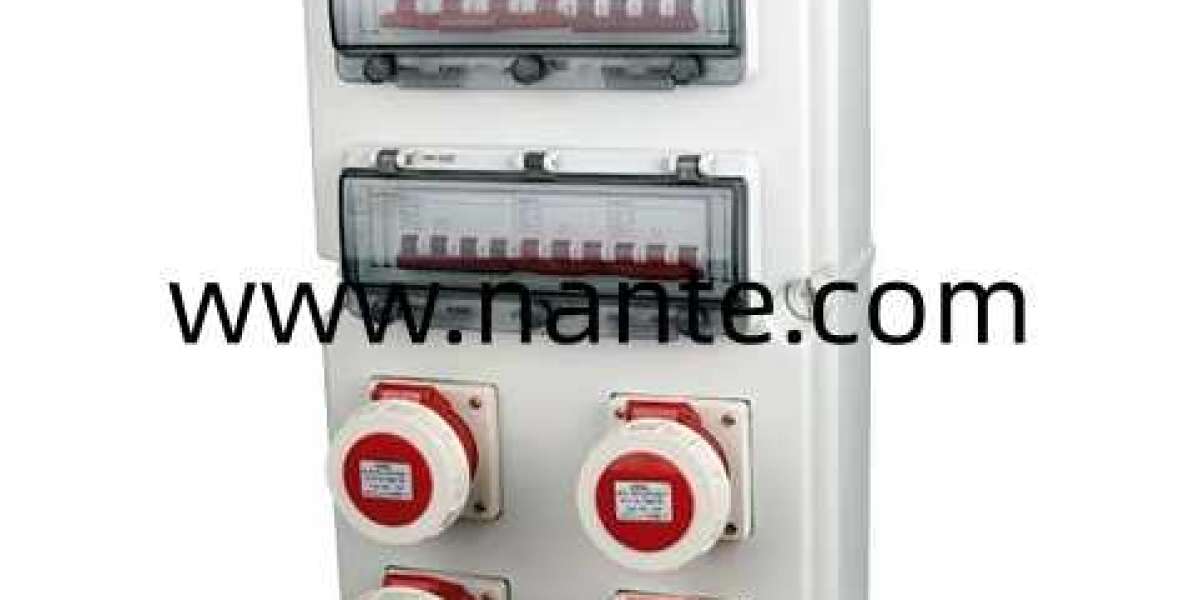

Electrical design is not only about supplying power; it is also about arranging connection points in ways that complement the surrounding equipment and workspace. An Industrial Concealed Socket from Nante provides an option for projects where a less exposed connection arrangement is preferred. By considering mounting position, access requirements, and the structure of the installation, businesses can plan electrical interfaces that fit their equipment layout while maintaining a clean and coordinated appearance.
In industrial facilities, electrical components often need to coexist with machinery, work surfaces, control panels, and other essential equipment. A concealed installation can help integrate a connection point into a suitable enclosure, panel, or designated mounting location. This approach may reduce visual clutter and help keep the surrounding area organized. Its suitability depends on the installation design, available mounting space, and the level of access required during normal operation and maintenance.
Planning begins with understanding how the connection will be used. Some installations require frequent access for portable equipment, while others serve machinery that remains connected during routine operation. The position of the socket should reflect these differences. Designers should consider how users will insert and remove plugs, route cables, and reach the connection without interfering with nearby controls or moving components. Adequate clearance also helps ensure that the concealed arrangement remains practical after the equipment is assembled.
The mounting structure deserves careful attention. Concealed components may need a suitable recess, a compatible panel opening, or a dedicated housing that accommodates the product securely. Before installation, buyers should verify the required dimensions, mounting method, cable entry arrangement, and available service space. These checks can help avoid unnecessary modifications and support a smoother assembly process. The surrounding structure should also allow the socket to be installed and maintained according to the manufacturer's instructions.
Protection from environmental conditions is another important consideration. Industrial environments vary in their exposure to dust, moisture, vibration, and accidental contact. A concealed position does not automatically provide protection against these conditions. Buyers should examine the specified protection rating, material characteristics, and intended operating environment before selecting a suitable component. The complete installation, including covers, cable entries, and mounting interfaces, must preserve the protection required for the application.
Electrical compatibility remains essential regardless of the mounting style. The socket should match the intended plugs, connected equipment, and supply requirements. Relevant electrical ratings, contact configurations, grounding provisions, and local safety requirements should be checked before procurement. Where the installation serves specialized machinery or operates under demanding conditions, qualified electrical professionals should assess the design and confirm that the component is appropriate for its intended use.
A concealed connection arrangement can also influence maintenance planning. Although integrating a component into a panel or enclosure may create a more streamlined appearance, technicians still need safe and practical access for inspection, testing, and replacement. Designers should avoid positioning connections where routine servicing becomes unnecessarily difficult. Allowing sufficient access during the planning stage can help balance appearance with the practical needs of maintenance personnel.
For equipment manufacturers, contractors, and industrial purchasing teams, choosing a suitable product involves evaluating both technical specifications and installation requirements. Product drawings, mounting instructions, available configurations, and clear supplier communication can help determine whether a particular design aligns with the project. Providing details about the equipment, installation environment, and intended connection method can make product discussions more focused and help reduce uncertainty before an order is placed.
After installation, proper use and routine inspection remain important. Components should be checked for damage, loose fittings, or other visible signs of deterioration, and any maintenance should follow the manufacturer's guidance and applicable safety procedures. A carefully planned concealed installation should remain accessible enough for qualified personnel to carry out necessary checks without compromising the surrounding equipment.
An effective electrical layout brings together practical access, suitable protection, and thoughtful integration. By evaluating these factors together, businesses can determine whether a concealed connection arrangement fits their facility and supports the way their equipment operates.
Sometimes, a more organized workspace begins with a connection point that blends naturally into the design. Visit https://www.nante.com/product/ to review available electrical solutions, examine product details, and consider which options may suit your next installation. Take a closer look at the possibilities and turn your project requirements into a clearer plan for your electrical layout.