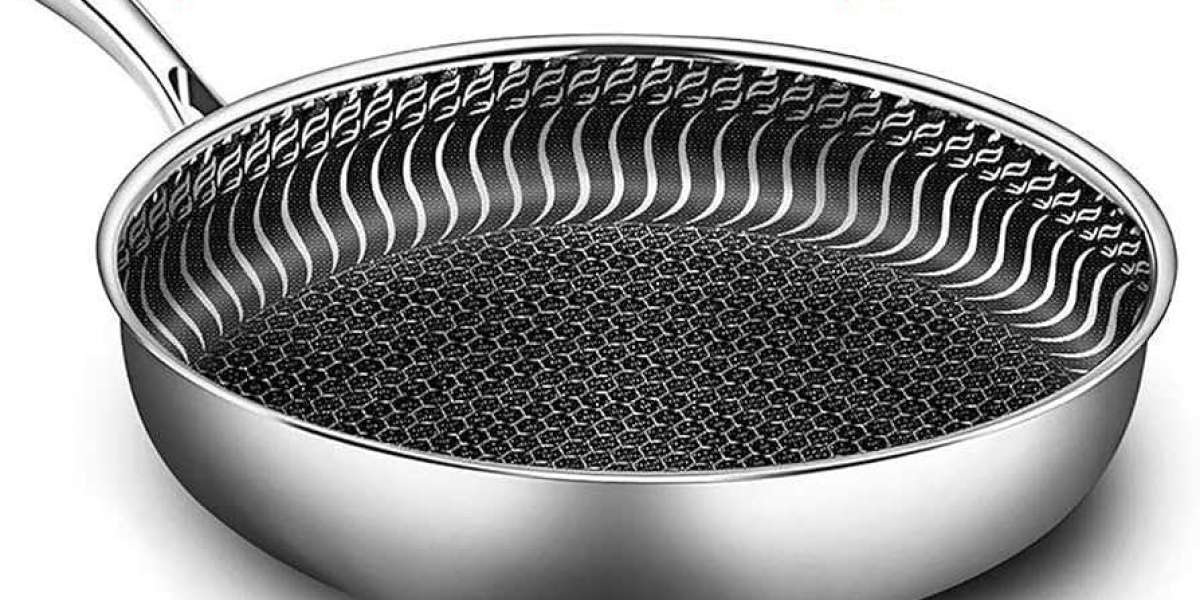

Uncoated Non-Stick Frying Pans are one category buyers may evaluate when comparing cookware materials, surface characteristics, and maintenance requirements. Their performance depends on the underlying metal, cooking temperature, food preparation methods, and routine care. For importers, wholesalers, retailers, and private-label businesses, understanding these factors can help establish clear purchasing specifications and select products that meet customer expectations.
Understand the Available Materials
The choice of material influences a pan’s weight, heat response, durability, and maintenance routine. Stainless steel, carbon steel, and cast iron are common options, each with characteristics that may appeal to different customer groups.
Stainless steel is often selected for its corrosion resistance and practical cleaning requirements. Some products feature layered bases designed to support heat distribution. Buyers should verify the material grade, base structure, and intended cooking applications before placing an order.
Carbon steel is relatively lightweight compared with many cast iron alternatives. With suitable preparation and maintenance, it can develop a seasoned cooking surface. Users generally need to dry the pan thoroughly after washing and follow appropriate storage practices.
Cast iron is valued for its heat retention and substantial construction. Its weight and care requirements may influence whether it suits household consumers, restaurant kitchens, or specialist retailers.
Select Suitable Dimensions and Features
Product dimensions influence cooking capacity, handling, and storage. Compact models may suit smaller portions, while larger versions can accommodate family meals or higher-volume food preparation.
Buyers should also review sidewall height, rim shape, handle length, grip design, and overall balance. These details affect how easily users can move the pan, transfer food, and store the product after use.
For distributors and retailers, a carefully planned selection of sizes can address different needs without creating unnecessary inventory complexity. Product documentation should clearly state diameter, total dimensions, weight, handle measurements, and available configurations.
Consider Cooking Techniques and Care
Cooking results depend on the cookware material, temperature control, ingredient moisture, and preparation techniques. Food may adhere to a surface when the pan is used incorrectly or when the cooking conditions are unsuitable.
Stainless steel often requires appropriate preheating and careful temperature adjustment. Carbon steel and cast iron commonly benefit from seasoning, which helps establish a functional cooking surface. Instructions should explain the recommended cleaning, drying, and storage procedures for each material.
Clear care information can help customers understand the product before purchasing it. Retailers can also use this guidance to answer common questions and set realistic expectations about everyday cooking performance.
Check Appliance Compatibility
Households and commercial kitchens may use gas, electric, ceramic, or induction appliances. Compatibility depends on the construction and material of each model, so buyers should verify the technical specifications before approving an order.
The base should be checked for stability and suitability for the intended heat source. Handle attachment, rim finishing, surface condition, and overall balance are also important inspection points.
Requesting samples can help buyers assess product handling and compare construction against written requirements. A checklist may include material identification, dimensions, weight, handle security, labeling, and packaging condition. Establishing these criteria before production can make quality reviews more consistent.
Evaluate the Supplier Before Ordering
A sourcing decision should consider more than unit cost. Production capacity, manufacturing consistency, customization services, inspection procedures, and communication can all affect the purchasing process.
Businesses developing their own brands may require logo printing, customized packaging, or specific product configurations. Buyers should confirm available services, minimum order quantities, sample arrangements, and any impact on production schedules.
It is equally important to clarify payment terms, delivery timelines, shipping responsibilities, and procedures for resolving quality concerns. Written specifications give both parties a common reference and help reduce misunderstandings during production and shipment.
Develop a Product Range Based on Demand
A practical cookware collection should reflect the needs and budgets of its intended customers. General retailers may focus on versatile products for daily use, while specialist stores and hospitality suppliers may prioritize particular materials, capacities, or handling features.
Before expanding an assortment, compare each model’s intended application, dimensions, material, and price range. Sales records and customer feedback can help identify useful additions and reduce overlap between similar products.For businesses planning their next purchase, cookware-supplier can be included in a structured supplier evaluation process. Review product specifications, discuss customization requirements, and confirm packaging and delivery arrangements before placing an order. Visit https://www.cookware-supplier.com/product/ to examine available cookware models and identify options relevant to your market. A clear purchasing plan connects product selection with customer needs and supports more organized inventory management.