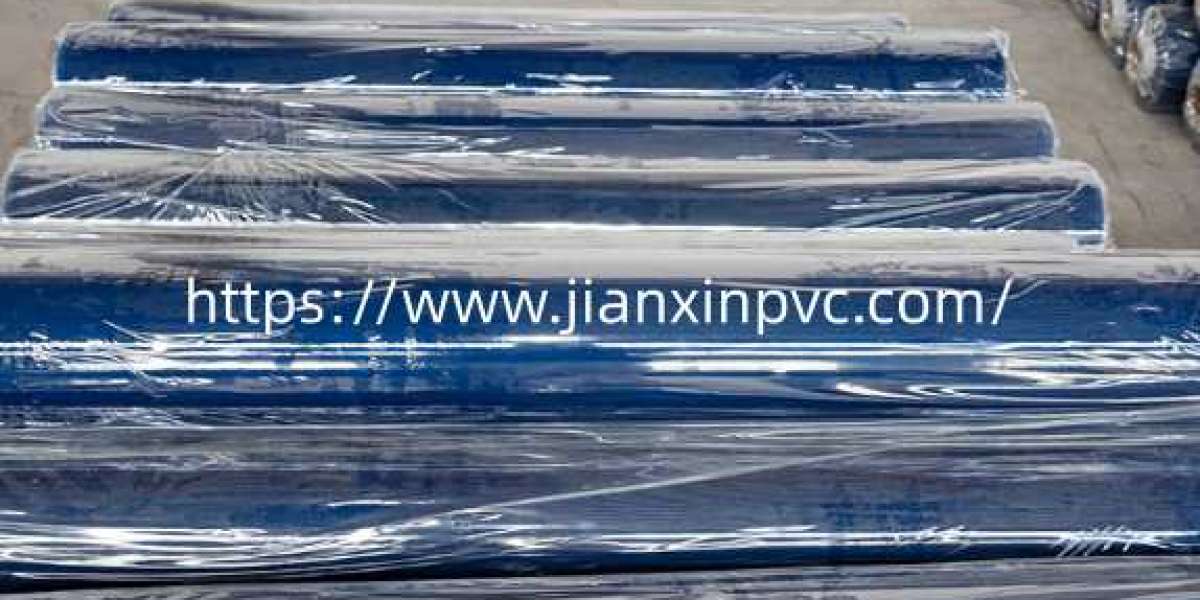

Vehicle interiors reflect both practical requirements and personal preferences, from the appearance of dashboard panels to the finish of door trims and decorative inserts. Manufacturers and customization businesses increasingly consider surface materials as part of the overall interior experience. When evaluating a PVC Automotive Decorative Film, buyers should examine material flexibility, surface texture, color consistency, processing compatibility, and visual coordination to determine how effectively the film supports a particular design concept.
The material formulation influences how a decorative film behaves during manufacturing and application. Polyvinyl chloride is used in flexible films because its properties can be adjusted through formulation and processing. Depending on the intended application, manufacturers may develop films with different degrees of softness, surface smoothness, transparency, or texture. Plasticizers and other formulation components influence flexibility and handling, while pigments and surface treatments contribute to the finished appearance. Selecting an appropriate material requires considering the requirements of the target component rather than treating all PVC films as interchangeable.
Surface finishing is another important consideration. Smooth films can create a clean, understated appearance, while embossed surfaces introduce tactile detail and visual depth. Textures inspired by leather grain, brushed materials, or subtle geometric patterns can complement different interior themes. The choice should reflect the surrounding trim, seating materials, and overall cabin design. Buyers should examine samples under different lighting conditions because gloss, color, and texture can appear different depending on the environment in which the material is viewed.
Purchasing decisions should begin with a clear understanding of the intended application. A film used on a decorative dashboard insert may have different requirements from one selected for a door panel or a customized trim element. Buyers should identify the substrate, the shape of the component, the desired finish, and the manufacturing process before comparing available materials. Compatibility with the intended adhesive or lamination system also deserves attention. Evaluating these factors early helps reduce material mismatches and supports a smoother transition from design approval to production.
Automotive environments create additional considerations. Interior surfaces may experience sunlight, temperature changes, frequent contact, and routine cleaning. A suitable decorative film should be assessed for its intended service conditions, including resistance to fading, surface wear, and changes in appearance. Buyers should request relevant product information rather than assuming that every decorative film is suitable for every location inside a vehicle. Sample testing on the intended substrate can help identify issues involving adhesion, flexibility, surface appearance, or interaction with cleaning products.
Manufacturing technology influences the consistency and adaptability of decorative films. Calendering is a process used to form PVC into continuous sheets, helping manufacturers control surface characteristics during production. Embossing can introduce patterns that create a distinctive tactile finish, while printing and lamination may support additional decorative effects. These processes allow designers to explore different combinations of color, texture, and visual depth. The most appropriate production method depends on the desired finish, the intended application, and the requirements of subsequent converting or assembly operations.
Processing compatibility is especially important when films need to follow curved surfaces or fit complex component shapes. Material flexibility, dimensional stability, and surface condition can influence how consistently a film conforms to a substrate. Poorly matched materials may develop wrinkles, uneven edges, or visible defects during application. Manufacturers should therefore evaluate the film alongside the actual component and processing method. Clear handling guidance and consistent incoming material quality can help production teams manage decorative materials more efficiently.
User experience is closely connected to the appearance and feel of interior surfaces. A carefully selected finish can create a cohesive cabin environment, while an unsuitable texture may conflict with nearby materials or feel uncomfortable during frequent contact. Matte surfaces can provide a restrained visual effect, whereas glossy finishes may emphasize contours and reflections. Texture also affects how light interacts with a surface, making sample evaluation useful before a final design is approved. Easy-to-clean finishes may be preferred for areas exposed to fingerprints, dust, and regular handling.
Visual coordination becomes particularly important when several decorative components appear together. Matching color families, complementary textures, and consistent finishes help create a unified interior rather than a collection of unrelated surfaces. Automotive brands may prefer understated tones for a refined appearance, while customization businesses may explore contrasting colors or distinctive patterns for a more expressive style. Design teams should also consider how decorative film interacts with lighting, trim edges, and adjacent materials. These details can influence the perceived quality of the finished component.
Zhejiang Jianxin Plastic Co., Ltd. specializes in PVC calendered plastic film manufacturing and offers film options with different surface finishes, including clear, matte, and embossed varieties. Its product development and customization capabilities provide a starting point for businesses exploring decorative materials for automotive interiors and related applications. Buyers can discuss intended substrates, preferred colors, texture concepts, and downstream processing requirements when evaluating suitable options. Further information about the company's film products and manufacturing services is available at https://www.jianxinpvc.com/.