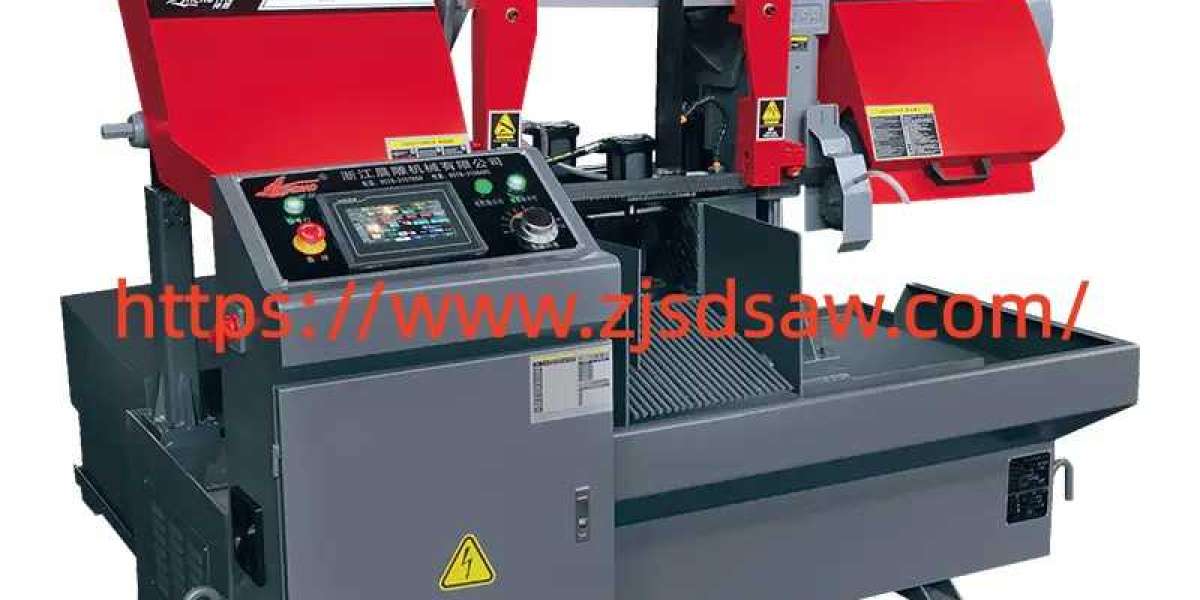

Metal Cutting Band Saw Machine selection requires buyers to evaluate material types, workpiece dimensions, cutting frequency, and workshop requirements before investing in industrial equipment. For manufacturers, metal fabricators, and material processing businesses, choosing suitable machinery can influence workflow consistency, operating expenses, and maintenance planning. Chendiao provides metalworking equipment solutions for businesses looking to align their machinery choices with practical production needs. A careful assessment of technical specifications helps buyers make purchasing decisions based on actual applications rather than appearance or price alone.
One important consideration is the range of materials being processed. Steel bars, stainless steel tubes, aluminum sections, and structural profiles can require different cutting conditions. Buyers should prepare a list of commonly processed materials and identify their dimensions, hardness, and typical cutting angles. This information helps determine which equipment configuration is appropriate for the intended workload. Businesses handling several material categories should also consider whether adjustable operating settings can accommodate changes between jobs.
Cutting capacity deserves close attention during the selection process. Manufacturers generally specify the dimensions a machine can accommodate for round, square, and rectangular stock. These measurements should be compared with the largest workpieces used in everyday production, including any angled cuts required for fabrication projects. Buyers should also examine clamping clearance and material support arrangements. Adequate space around the workpiece makes loading and positioning easier while helping operators establish a consistent setup.
Blade specifications are another factor that deserves consideration. Blade length, width, tooth pitch, and material compatibility influence how equipment performs across different applications. A blade suitable for thick solid stock may not produce the same results when cutting thin-walled tubing. Buyers should consult equipment documentation and blade suppliers when determining suitable combinations. Checking the availability and replacement cost of compatible blades before purchase can also help businesses plan routine maintenance and manage consumable expenses.
Feed control and operating methods should reflect the expected production volume. Manual equipment may suit workshops with varied jobs and modest cutting quantities, while semi-automatic or automatic configurations can support repeated operations when their capabilities match the production process. However, automation should be evaluated against actual demand. Buyers need to consider setup time, operator training, loading arrangements, and the level of process supervision required. A configuration that fits the existing workflow may be more practical than paying for functions that are rarely used.
Machine construction and workholding arrangements also influence cutting consistency. A stable frame, properly aligned blade guides, and secure clamping help control movement during operation. Buyers can request a demonstration using representative materials and inspect the resulting cut surfaces, dimensional consistency, and ease of adjustment. Where angled cutting is necessary, the available angle range and adjustment method should be checked carefully. These practical observations provide useful information beyond a specification sheet.
Operating costs extend beyond the initial purchase price. Electricity consumption, replacement blades, cutting fluid, cleaning, servicing, and operator time all contribute to the cost of ownership. Businesses should review the manufacturer's maintenance schedule and ask which components require regular inspection. Coolant requirements, chip collection, and access to service parts should also be considered. Confirming the machine's voltage, phase, frequency, installation space, and safety features before ordering can reduce avoidable complications during installation.
Safety and after-sales support are equally important. Operators should receive appropriate training and follow the supplied operating instructions. Guards, emergency stops, blade tensioning procedures, and safe chip removal practices should be checked before equipment enters service. Buyers should also clarify warranty coverage, technical assistance, spare parts availability, and expected service arrangements. Clear communication with the supplier helps establish realistic expectations and supports equipment management throughout its working life.
Selecting suitable equipment involves balancing cutting requirements, available space, production targets, maintenance resources, and future business plans. Chendiao encourages buyers to compare machine specifications against their actual workshop conditions and discuss application requirements before making a decision. Businesses evaluating available models can review the product range at https://www.zjsdsaw.com/product/ to identify relevant equipment options and take the next step toward a purchasing decision aligned with their metalworking needs.





