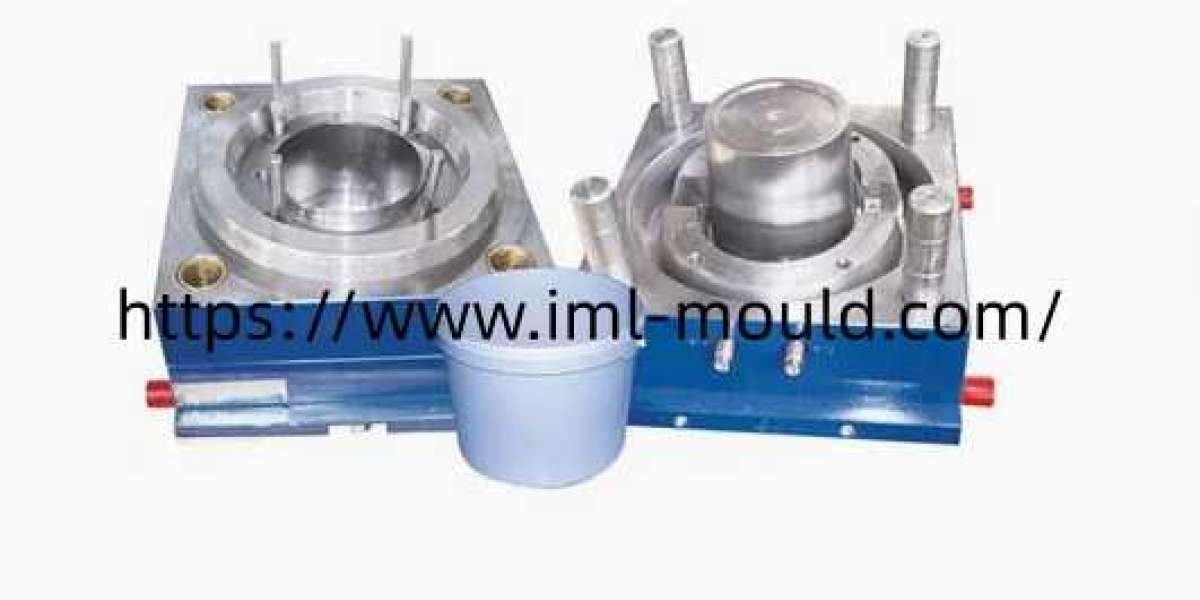

Developing a plastic product for a specific market often requires tooling that reflects its intended function, production environment, and visual identity. In this process, a Custom Plastic Injection Mould connects product design with manufacturing by shaping molten plastic into components that can be produced consistently and integrated into a finished product. Ningbo Hengqi Precision Mould Co., Ltd. specializes in thin-wall packaging mould development and manufacturing, offering relevant experience for businesses seeking tooling tailored to particular container and packaging applications.
Mould material selection influences how tooling performs throughout its working life. Tool steel needs to support the required cavity geometry, surface finish, machining process, and maintenance approach. Different steel grades offer different combinations of toughness, wear resistance, polishability, and machinability. Buyers should consider the complexity of the product and the expected production environment when discussing material options with a mould manufacturer. Selecting a suitable material at the beginning can help align tooling construction with the project's practical needs.
The plastic resin deserves equal attention. Different polymers respond differently during melting, filling, cooling, and release. Their flow characteristics and shrinkage behavior can affect how accurately the mould reproduces the intended shape. For packaging applications, the choice of resin may also depend on the product's contact environment, handling requirements, and appearance. Hengqi's experience with PP containers, cups, lids, and other thin-wall packaging products illustrates why resin selection and mould design need to be considered together.
A useful purchasing process begins with a clear product brief. Buyers should explain what the component needs to do, where it will be used, how it will connect with other parts, and what production process will follow moulding. Drawings, samples, and reference images can help communicate the intended geometry. For packaging, details such as lid engagement, stacking, sealing, and label placement may be essential. The more clearly these requirements are defined, the easier it becomes to assess whether a proposed mould design fits the project.
Manufacturing compatibility is another important selection criterion. The tooling needs to work with the available injection equipment, material delivery system, cooling arrangements, and product removal process. When production includes automated handling or in-mould labeling, the mould must also accommodate the related equipment and workflow. Buyers should discuss these requirements before finalizing the design rather than expecting automation or packaging arrangements to be solved after the mould has been built.
From a technical perspective, mould performance depends on several connected systems. The cavity defines the product shape, while the runner and gate guide plastic into the mould. Cooling channels help manage heat, and the ejection mechanism releases the formed component. Venting, cavity balance, and the relationship between moving and fixed mould sections also influence production behavior. These elements must work as a coordinated design to support consistent filling and orderly product removal.
Product geometry can create additional engineering challenges. Thin walls, deep sections, narrow openings, complex contours, and integrated locking features may affect how plastic flows and cools. For food containers, the rim and base need to work together to support practical handling and closure compatibility. For other products, mounting points or connecting features may be more important. Reviewing these details early helps the design team identify potential difficulties before machining begins.
Mould trials provide an opportunity to evaluate the relationship between the design and actual production. Sample parts can be checked for surface appearance, shape consistency, fit, release behavior, and compatibility with related components. If the results reveal problems, the team can investigate whether changes are needed in the tooling, product geometry, or processing conditions. Ningbo Hengqi Precision Mould Co., Ltd. describes a development process that includes mould engineering, machining, assembly, and trial support for packaging projects.
The user's experience with a finished plastic product is influenced by decisions made during mould development. Edges should suit the intended handling method, surfaces should match the product's purpose, and connecting features should work naturally with surrounding components. In packaging, consumers may notice whether a lid is easy to open, whether a container is comfortable to hold, and whether the product can be stored conveniently. These practical interactions should inform design decisions alongside production requirements.
Manufacturing teams also benefit when tooling is designed with maintenance in mind. Accessible areas for cleaning, inspection, and servicing can make routine care easier to organize. Cooling passages, ejection components, cavity surfaces, and moving mechanisms may require different inspection practices. A clear maintenance plan can help production teams recognize wear or contamination before these conditions affect moulded products.
Design and appearance can distinguish a product in a competitive market. Surface texture, contour, edge definition, and the arrangement of decorative areas influence how the finished item is perceived. For food packaging, in-mould labeling can integrate graphics into the moulding process, making label position and cavity design important parts of the visual planning. Hengqi develops IML cup moulds and thin-wall container tooling, where product shape, label placement, and automated handling must be coordinated.
Customization is particularly useful when a standard mould cannot accommodate a specific product concept or manufacturing workflow. A project may require a different container profile, a revised closure arrangement, a distinctive surface, or compatibility with existing production equipment. Working from drawings or samples gives the manufacturer a practical basis for discussing geometry, resin, tooling structure, and production requirements before development proceeds.
Ningbo Hengqi Precision Mould Co., Ltd. provides mould development and manufacturing services for thin-wall food packaging, cups, lids, containers, and related plastic products. Its work brings together product design, tooling engineering, machining, mould trials, and production considerations. Manufacturers interested in its mould capabilities and customized tooling services can find further information at https://www.iml-mould.com/.