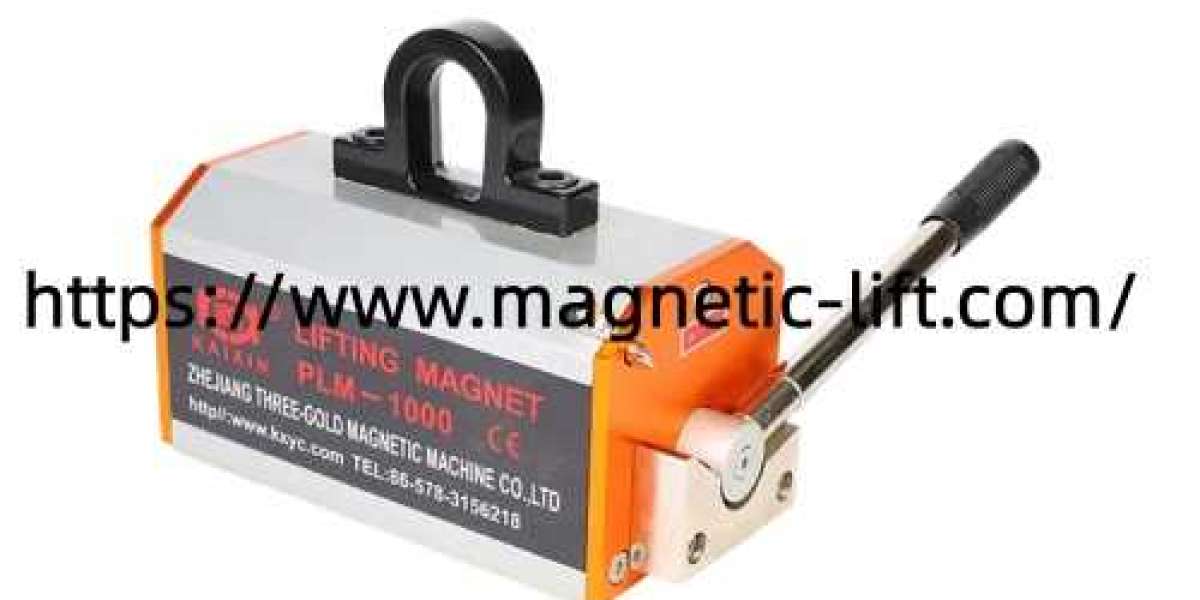

Permanent Magnetic Lifter equipment can make steel handling more convenient by offering a direct way to engage suitable ferrous materials during lifting and positioning tasks. In fabrication workshops, warehouses, machining areas, and steel processing facilities, operators may need to move plates, bars, blocks, and other compatible components throughout the working day. When the equipment corresponds with the material and application, it can reduce some preparation steps associated with traditional attachment methods and provide a practical approach to repeated material movement.
One of the main considerations is the preparation required before each transfer. Conventional handling methods may involve arranging chains, hooks, slings, or other accessories around a component. With a suitable magnetic system, the operator can engage an appropriate surface directly. This can be particularly useful when similar steel components are moved repeatedly between storage areas and production equipment. Fewer preparation steps can make the overall sequence easier to organize.
The shape of the material should also be considered. Flat plates, rectangular sections, bars, and cylindrical components may create different contact conditions. The available surface area and geometry can influence how the equipment engages with the load. Buyers should therefore provide detailed information about the materials they normally handle, including dimensions, thickness, shape, and typical weight, before selecting a suitable configuration.
Surface condition is another important factor. Rust, dirt, scale, paint, oil, and uneven areas can create gaps between the magnetic surface and the workpiece. These gaps may affect practical holding conditions. Keeping the contact area suitable and following the manufacturers operating instructions can help create a more controlled handling process. Buyers working with coated or irregular materials should discuss those conditions during product selection.
Another useful consideration is the working environment. A busy fabrication shop may require frequent transfers between cutting, welding, machining, inspection, and storage areas. A warehouse may have different movement patterns, while a steel service center may handle materials of varying dimensions throughout the day. Understanding where and how the equipment will be used helps manufacturers recommend a configuration that corresponds with the actual workflow.
The absence of a continuous electrical connection can also be useful in appropriate applications. Permanent magnetic technology can maintain its holding condition without continuous external power. This can reduce the need for cables around certain handling areas and provide a convenient option where electrical connections are not part of the preferred setup. The exact operating method and safety procedure still depend on the specific product design.
Rated capacity should be carefully considered. Buyers should not select equipment based only on the weight of a typical load. Material type, thickness, contact area, surface condition, load balance, and the geometry of the component can influence practical performance. The manufacturers stated working limits should always be followed, and unusual applications should be discussed before equipment is put into regular service.
Handling efficiency is also connected with operator movement. If workers repeatedly need to attach and remove separate accessories, these additional steps can interrupt the production sequence. A suitable magnetic approach can provide a more direct connection with compatible materials. This does not remove the need for careful operation, but it may make routine transfers easier to coordinate when the application is appropriate.
Safety remains an important part of every lifting process. Operators should inspect the equipment before use, confirm that the load is within the stated working limit, and make sure the contact surface is appropriate. Loads should be positioned correctly and handled according to the manufacturers instructions. Operators should also avoid placing themselves or other people beneath suspended loads.
For purchasing teams, application information can make supplier communication more effective. Useful details include the material being handled, typical load weight, dimensions, surface condition, lifting frequency, working environment, and required movement pattern. Providing these details allows the manufacturer to consider the application rather than recommending equipment based on capacity alone.
Kaixinmagnetic provides magnetic handling solutions for industrial applications involving suitable ferrous materials. Customers can evaluate different configurations according to their workpieces, operating conditions, and handling requirements. For manufacturers, distributors, and end users, this approach can make product selection more closely connected with actual workplace needs.
A suitable handling system should match the material, application, and operating procedure. Buyers can review technical specifications, capacity information, operating instructions, and application compatibility before making a purchasing decision. Kaixinmagnetic offers product resources for customers comparing magnetic handling options for different industrial environments.
For additional product research, customers can visit https://www.magnetic-lift.com/