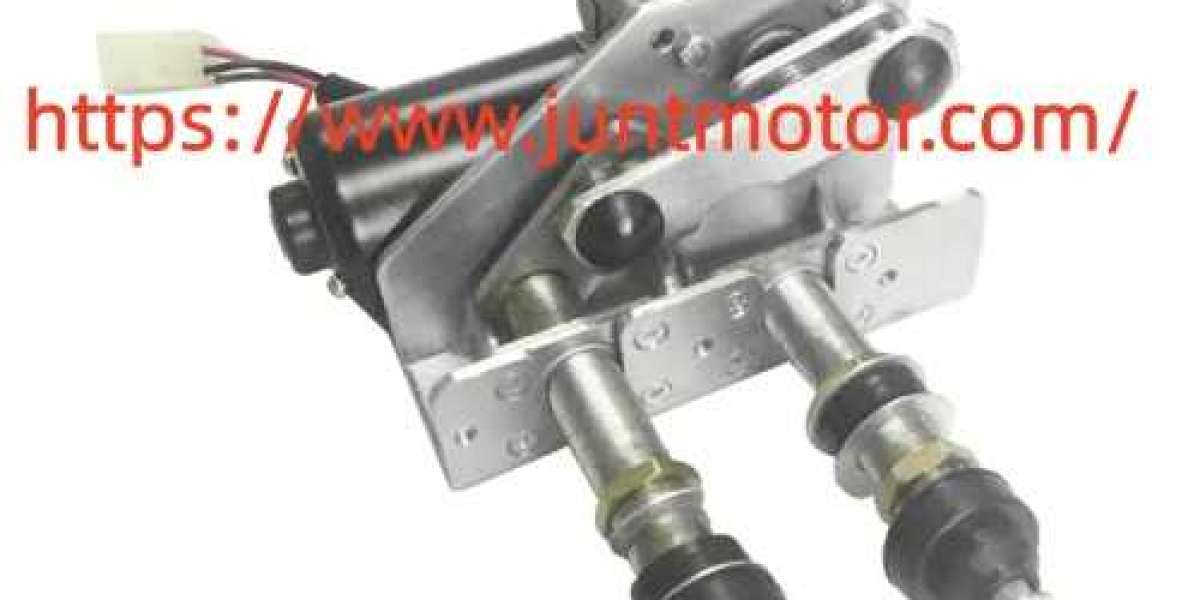

111 wiper motor selection should begin with the vehicle rather than the product name alone. Buyers need to confirm the electrical system, mounting arrangement, connector configuration, shaft connection, and linkage structure before placing an order. These details help determine whether a proposed motor can work with the existing assembly. Juntmotor manufactures automotive motors and related DC motor products for different vehicle applications, giving buyers a practical starting point for discussing their requirements.
The electrical system is one of the first points worth checking. Passenger vehicles commonly use different electrical arrangements from trucks, buses, coaches, or engineering machinery. A buyer should confirm the available voltage from the vehicle documentation or the original component label. The power requirement should also be considered because the motor has to work within the operating conditions of the complete wiping mechanism.
Mechanical compatibility is equally important. The mounting points need to correspond with the existing structure, while the housing must have enough surrounding clearance. Buyers can compare mounting hole positions, overall dimensions, shaft location, and housing orientation with the original component. These measurements can be particularly useful when the replacement is being sourced for an older vehicle or a machine with limited installation space.
The connection between the motor and linkage deserves careful attention. A wiping assembly converts rotary movement from the motor into the back and forth movement of the arms. The drive shaft and related connection therefore need to cooperate with the existing linkage geometry. Juntmotor notes that mounting points, drive shaft orientation, and the position of the complete assembly can influence compatibility.
Connector configuration is another detail that buyers should not overlook. Similar looking components may use different pin arrangements or wiring functions. The number of connector pins, operating voltage, park circuit, signal requirements, and terminal configuration can all affect installation. Juntmotor recommends confirming these details during procurement, especially when the component is being sourced for a specific vehicle platform or replacement project.
The park function also deserves consideration. After the driver switches the system off, the arms generally need to return to a defined resting position. The motor and control circuit work together to achieve this movement. If the replacement has a different park arrangement from the original system, additional electrical or mechanical work may be required. Checking the circuit before ordering can help avoid unnecessary changes during installation.
Buyers should also consider the working environment. A motor installed on a passenger vehicle may face different conditions from one used on a truck, bus, construction machine, or other commercial platform. Moisture, dust, vibration, operating frequency, and available installation space can influence the component requirements. Describing the actual application gives a manufacturer more useful information than simply providing a generic product category.
For distributors, a clear specification checklist can make sourcing easier. Useful information includes the original reference number, vehicle type, voltage, power, connector arrangement, mounting measurements, shaft details, and photographs of the existing assembly. When drawings or samples are available, they can provide additional reference points for technical evaluation. This is particularly useful when a buyer is purchasing components for several vehicle models.
The same approach can help fleet maintenance teams. Instead of replacing a failed unit based only on visual similarity, technicians can record the relevant technical information before ordering. This creates a more reliable reference for future purchases and can make stock management easier when several configurations are used across different vehicles.
Manufacturers also need to consider these details when developing components for new vehicle projects. Juntmotor explains that OEM projects can involve different structural requirements, installation positions, connection methods, samples, testing procedures, and production needs. Early communication between the buyer and manufacturer can therefore help establish a suitable specification before production begins.
Another useful step is checking the complete wiping system rather than evaluating the motor as an isolated component. The arms, blades, linkage, windshield shape, electrical controls, and available space all interact during operation. A motor that appears suitable from a catalog image may still require closer technical confirmation before it is selected for a particular application.
For buyers preparing a replacement order, a simple process can make the decision clearer. Start with the electrical requirements, then verify mounting dimensions and shaft details. After that, check the connector and park circuit, followed by the linkage arrangement and working environment. Providing these details to the manufacturer allows the application to be evaluated from several practical angles.
Juntmotor offers wiper motor categories covering passenger cars, trucks, bus and coach applications, engineering machinery, boats, classic vehicles, and other applications. Buyers can review the available product range and related motor solutions at https://www.juntmotor.com/ before discussing their specific sourcing requirements.