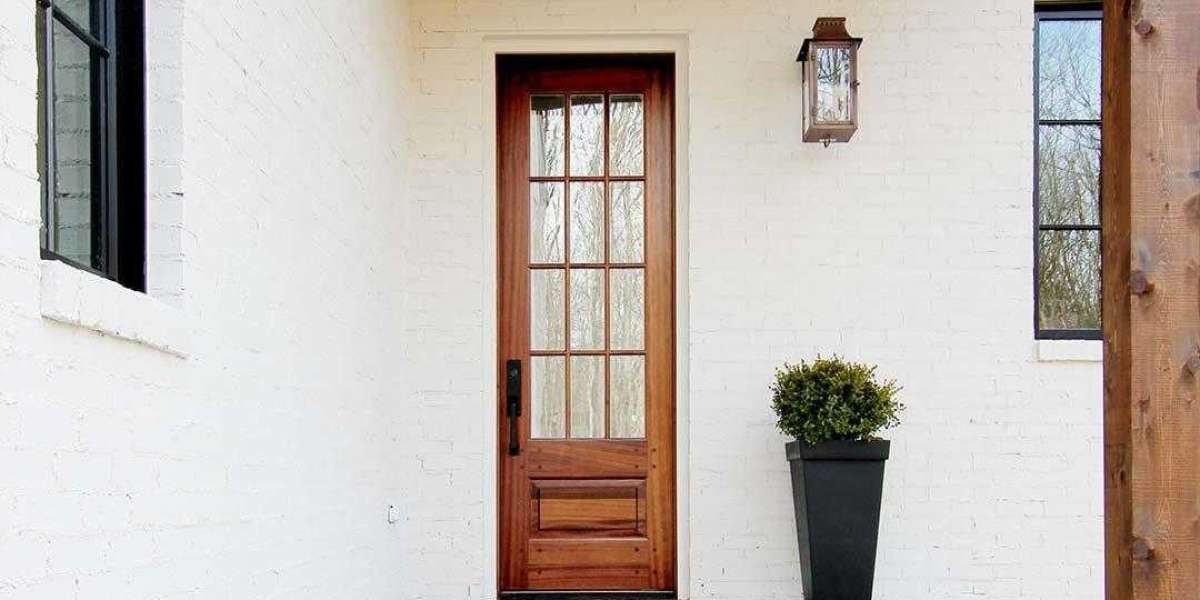

Wooden Door Factory selection should begin with the needs of the interior project rather than a single visual preference. Buyers may need to consider timber or engineered wood choices, core construction, surface treatment, dimensions, hardware preparation, room conditions, customization, inspection, and delivery planning. Residential renovations, apartment developments, hotels, offices, and other projects can have different requirements. Haibodoor provides various interior solutions that allow buyers to discuss design preferences and practical requirements before production.
Start With The Project Application
The intended application should guide the initial selection. Bedrooms may require privacy and a comfortable appearance, while living areas may place greater attention on coordination with furniture and decorative elements.
Hotels and apartment developments can introduce additional considerations because many rooms may need a consistent appearance. Offices can require a different balance between privacy, daily operation, and visual simplicity.
Creating a room by room list before contacting a manufacturer can make the purchasing discussion more focused.
Compare Material Options
Material selection influences appearance, construction, weight, maintenance, and dimensional behavior. Natural timber can provide visible grain and a warm interior character, while engineered wood options can offer a more controlled structure for certain applications.
MDF, HDF, veneer, solid timber, and other wood based configurations may serve different project purposes. The appropriate choice depends on the intended environment, design expectations, budget, and construction requirements.
Buyers should request clear material information rather than making a decision based only on surface appearance.
Consider The Core Structure
The internal structure can influence how a product feels during daily operation and how it responds to the intended application. Different core arrangements can be selected according to project requirements.
A bedroom project may have different priorities from a hotel corridor or office meeting room. Buyers should therefore discuss the required construction rather than assuming one configuration suits every application.
For larger projects, confirming the structure through an approved sample can give architects and contractors a shared reference before production begins.
Review Surface Treatments
The surface is an important part of interior coordination. Veneer, paint, laminate, and other treatments can create different visual effects and maintenance requirements.
Color should be considered together with flooring, wall finishes, furniture, cabinets, lighting, and other decorative features. A warm wood appearance may suit one interior concept, while a simple painted surface may fit another.
Physical samples can help buyers compare texture and color under actual project lighting before final confirmation.
Check Dimensions Carefully
Accurate measurements are important for both renovation and new construction. Existing openings may differ from standard dimensions, while new projects often follow architectural drawings.
Before production, buyers should confirm width, height, thickness, opening direction, frame requirements, and other relevant measurements.
For a project involving many rooms, maintaining a detailed schedule can help purchasing and installation teams work from the same information. It can also make changes easier to track when several configurations are involved.
Discuss Hardware Early
Hardware should be considered during the design stage rather than after manufacturing. Handles, hinges, locks, closers, and other fittings can influence machining and preparation.
Residential rooms may require different privacy functions, while hotels, offices, and other commercial interiors can involve additional access requirements.
Providing hardware information early allows the manufacturing team to review preparation needs before production. This can also help installation teams avoid unnecessary adjustments at the construction site.
Evaluate Customization
Interior projects often have their own design language. Customization may involve dimensions, surface colors, textures, patterns, profiles, frames, or hardware arrangements.
Buyers should identify which details are essential and which are optional. This distinction can help control the scope of customization while keeping the project aligned with its original design concept.
Haibodoor works with buyers on different configurations, allowing project teams to discuss specific dimensions, finishes, and other requirements before confirming production.
Consider Room Conditions
Different rooms can expose materials to different levels of humidity, cleaning activity, traffic, and daily use.
Bathrooms and kitchens may require additional consideration of moisture conditions. Bedrooms and living rooms may focus more heavily on appearance, privacy, and routine maintenance.
Commercial interiors can experience frequent operation throughout the day. Buyers should therefore communicate the intended environment so that the selected construction and surface treatment correspond with the application.
Review Manufacturing Quality Checks
A sample alone cannot show how consistently a larger order will be produced. Buyers can ask about inspection procedures during material preparation, machining, finishing, assembly, and final checking.
Useful inspection areas may include dimensions, surface condition, color consistency, assembly, hardware preparation, and packaging.
For projects with multiple production batches, an approved sample or reference panel can provide a useful comparison point when reviewing later production.
Examine Communication Practices
Project sourcing usually involves multiple pieces of information. Drawings, measurements, quantities, finish references, hardware schedules, samples, packaging arrangements, and delivery dates may all need to be confirmed.
Clear communication helps reduce misunderstandings when architects, contractors, purchasing teams, and manufacturers are working together.
Buyers should pay attention to how efficiently project questions are handled and whether important changes are recorded before production begins.
Think About Delivery And Installation
A suitable product also needs to arrive in a condition that supports the planned installation process. Buyers can discuss protective packaging, labeling, quantity organization, and shipment arrangements before ordering.
For larger developments, labeling different sizes and configurations can help receiving teams identify products more efficiently.
Delivery timing should also be connected with the construction schedule. Coordinating arrival with installation progress can reduce unnecessary storage and help project teams organize site work.
Compare The Full Project Value
A purchasing decision should not depend entirely on the quoted price. Buyers can compare material options, construction, customization, inspection, communication, packaging, delivery planning, and installation compatibility.
The right choice is the one that fits the project's actual requirements and working process.
This approach can be particularly useful for projects where multiple rooms, finishes, sizes, or hardware arrangements need to be coordinated within one order.
Build A Practical Selection Checklist
Before requesting a final quotation, buyers can prepare a checklist covering application, material, core structure, surface treatment, dimensions, hardware, customization, inspection, quantity, packaging, and delivery.
Providing this information to several manufacturers creates a more consistent basis for comparison. It also gives the production team enough context to discuss the project in practical terms.
For architects, contractors, developers, and interior designers, this preparation can make the sourcing process easier to manage from initial concept through installation.
A Project Focused Final Decision
Selecting a manufacturing partner is ultimately about matching production capabilities with the requirements of the intended interior space. A residential renovation may emphasize design coordination and room function, while a hotel or apartment project may place greater attention on consistency, quantity management, and delivery planning.
Haibodoor supports buyers by discussing material choices, finishes, dimensions, customization, hardware preparation, and project applications according to individual requirements.
For buyers preparing an interior project, the available product range can be reviewed at https://www.haibodoor.com/product/ as part of the next stage of project planning and sourcing.