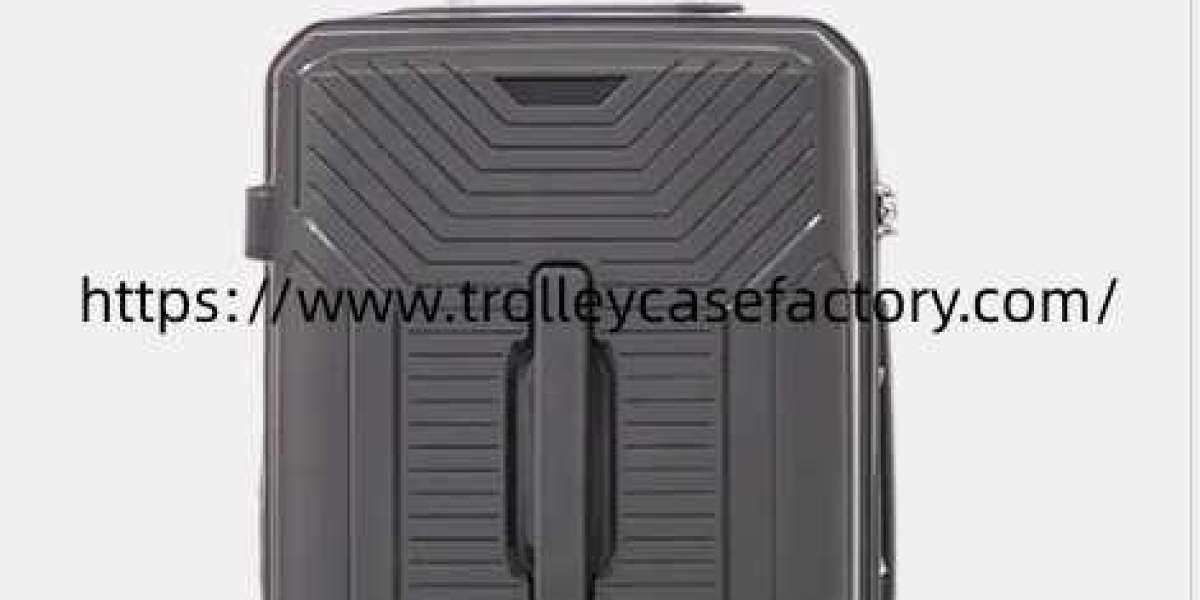

Front Open Hardshell Luggage should be selected according to travel habits, storage requirements, transportation conditions, and target customer preferences rather than appearance alone. Buyers should review shell material, opening construction, hinges, compartments, wheels, handles, dimensions, weight, security functions, surface finish, packaging, and customization requirements. Business travelers, short-trip users, retailers, and distributors can have different expectations, so a clear purchasing checklist helps connect product specifications with actual use. Careful evaluation can also make communication easier when buyers discuss samples, inspection standards, packaging, and production details with a manufacturer.
Start With The Intended Travel Scenario
The first step is identifying how the product will normally be used.
Business travelers may need quick access to documents, electronics, chargers, and personal items. Short-trip travelers may prefer compact dimensions and simple organization. Families may require additional capacity and separated storage areas.
Retail buyers should consider the habits of their target customers before deciding which configuration to purchase.
Review The Shell Material
The shell material influences product structure, appearance, weight, and manufacturing options.
PP and ABS are common choices for hard-shell travel products, with different characteristics related to flexibility, rigidity, surface finish, and design possibilities.
Buyers should compare available materials according to their intended market, usage conditions, product positioning, and desired appearance.
Examine The Opening Design
The opening structure is an important feature for daily access.
A dedicated access panel can allow users to reach selected belongings without completely opening the main body.
This arrangement can be convenient in hotel rooms, train compartments, airport waiting areas, and other locations where floor space is limited.
Buyers should check panel movement, opening angle, hinge alignment, and stability.
Check Hinge Construction
Hinges connect the moving section to the main body.
Buyers should examine hinge placement, alignment, movement, and connection points.
The panel should move smoothly during normal opening and closing.
For products intended for regular travel, purchasers can also ask about inspection procedures for the hinge assembly before shipment.
Evaluate Interior Organization
Interior organization can influence how efficiently personal belongings are arranged.
Buyers should review mesh pockets, zippered sections, straps, dividers, and dedicated compartments.
Different users may have different priorities.
A business traveler may need easy access to a computer or documents, while another customer may prefer larger sections for clothing.
Compare Dimensions
Product dimensions should match the intended travel purpose.
Buyers should compare height, width, depth, capacity, and empty weight.
Compact models may suit short journeys and cabin travel, while larger sizes can provide additional storage for extended trips.
Retailers should also consider the size combinations that fit their customer base.
Examine Wheel Performance
Wheel construction influences movement through airports, hotels, stations, sidewalks, and other surfaces.
Buyers can review wheel diameter, material, rotation, mounting points, and housing structure.
Spinner-style wheels allow movement in multiple directions, which may be useful when navigating narrow spaces or changing direction frequently.
The wheel design should also correspond with the overall product weight.
Review The Telescopic Handle
The telescopic handle should be checked for extension, retraction, grip, alignment, and stability.
Buyers can operate the handle repeatedly during product evaluation.
The grip should provide a comfortable position for normal pulling, while the internal rails should move smoothly.
Handle appearance can also be considered when developing a coordinated retail design.
Inspect Zippers And Closures
Closures should be included in the product evaluation.
Buyers can inspect zipper movement, puller construction, stitching, connection points, and alignment.
If a security mechanism is included, purchasers should check its position and operating method.
Repeated opening and closing can provide useful information about the overall operating experience.
Consider Product Weight
Empty weight affects the amount of personal belongings a traveler can carry.
Buyers should compare product weight with expected contents and intended travel conditions.
For customers concerned about airline weight restrictions, accurate weight information can be particularly useful.
Retailers should also obtain confirmed specifications before publishing product information for customers.
Check Stability During Use
Stability should be considered when the case is opened, packed, and moved.
The base, wheel arrangement, hinge position, panel weight, and internal distribution can influence balance.
Buyers should test the product under realistic conditions instead of evaluating it only when completely empty.
Review Storage Capacity
Storage volume should be evaluated together with internal organization.
A product may have considerable overall capacity, but the actual usable area can depend on pockets, dividers, straps, hinges, and structural components.
Buyers should consider how customers normally arrange clothing, documents, electronics, toiletries, and other belongings.
Examine Security Functions
Security features should match the intended market and travel environment.
Buyers can review the location, operation, appearance, and integration of the selected security system.
If a TSA-approved mechanism is included, purchasers should confirm the operating instructions and relevant product specifications.
Security hardware can also be included in the final inspection checklist.
Review Surface Finish
Surface treatment contributes to visual presentation.
Buyers can compare smooth surfaces, textures, patterns, colors, and other finish options.
Retailers may prefer different appearances depending on their target customers.
OEM customers should provide clear color references and design requirements before production to reduce potential misunderstandings.
Ask About Customization
Customization can be useful for distributors, retailers, and brand owners.
trolleycasefactory can discuss requirements involving colors, textures, patterns, dimensions, internal layouts, logos, labels, and selected product details.
Buyers should prepare artwork, color references, measurements, packaging requirements, and other specifications before production.
Clear information can make the sample approval process easier to manage.
Review Quality Inspection
Inspection should cover functional and visual details.
Buyers can ask about checks for shell assembly, dimensions, hinges, wheels, handles, zippers, compartments, security systems, and general operation.
Customers with internal inspection requirements should communicate them before production begins.
A shared checklist can provide a consistent reference for both parties.
Consider Sample Approval
Sample approval can help buyers confirm important specifications before larger quantities are produced.
The sample can be checked for dimensions, shell appearance, interior layout, wheels, handle operation, opening mechanism, closures, labels, and accessories.
If modifications are necessary, they can be discussed before mass production.
Approved specifications can also serve as references for repeat orders.
Review Packaging Requirements
Packaging should be considered before shipment.
Buyers can discuss individual packaging, accessory protection, carton dimensions, product identification, loading arrangements, and warehouse requirements.
For larger orders, clear packaging information can make receiving and inventory management easier.
Retailers should confirm labeling and packaging requirements before production is completed.
Consider The Target Market
The same product configuration may appeal to different users for different reasons.
Business travelers may prioritize convenient access and organized storage. Vacation travelers may focus on capacity and mobility. Retail customers may pay greater attention to color, pattern, appearance, and price positioning.
Understanding the target market helps buyers select specifications that correspond with customer expectations.
Confirm The Final Specification
Before confirming an order, buyers should record the selected material, dimensions, colors, interior layout, wheel system, handle, closures, security functions, accessories, packaging, and inspection requirements.
Keeping all approved information in one document can simplify communication and provide a useful reference for repeat purchasing.
trolleycasefactory works with buyers on product specifications and customization requirements for different travel markets. Customers interested in reviewing available products can visit the https://www.trolleycasefactory.com/ to discuss product configurations, appearance options, interior layouts, accessories, packaging, and OEM requirements.