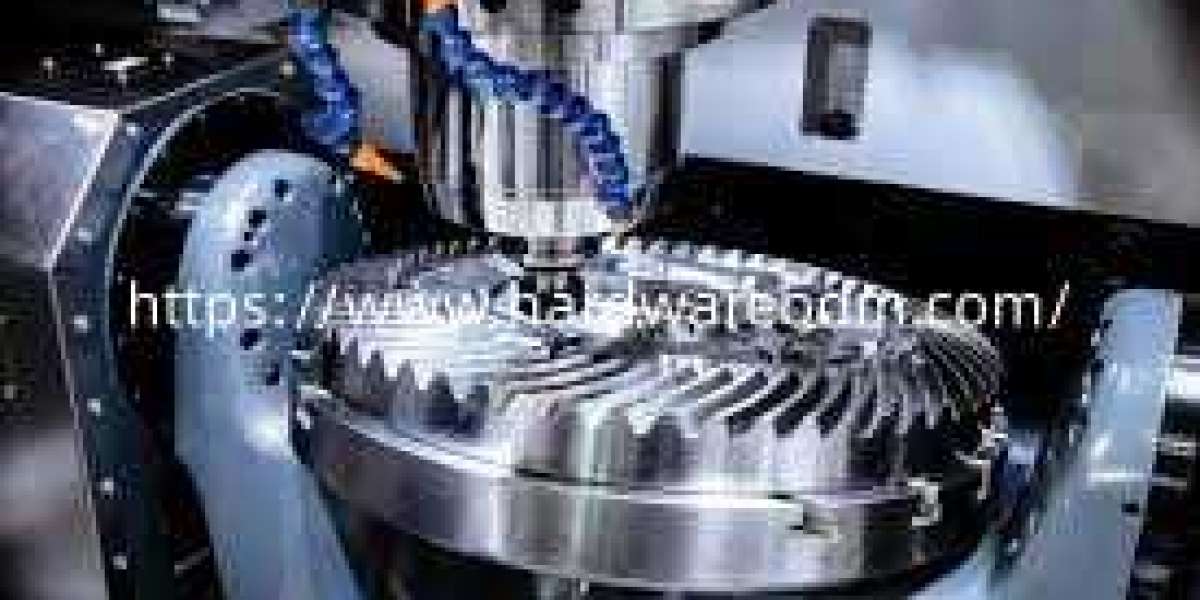

In modern metal manufacturing, Stamping Machining provides an effective approach for transforming sheet metal into functional components used across different products and equipment. The process can create shapes through controlled forming operations while supporting repeatable production and consistent part geometry. However, selecting a suitable stamping solution involves more than choosing a production method. Material characteristics, tooling requirements, product function, manufacturing efficiency, handling convenience, and surface appearance all need to work together.
Material selection is an important starting point because different metals respond differently to forming operations. Carbon steel can provide a practical foundation for many structural components, while stainless steel may be selected when corrosion resistance and surface cleanliness are important. Aluminum offers useful forming characteristics for applications where lighter construction is desirable, and copper or brass can be considered for components requiring particular electrical or decorative qualities.
The thickness, hardness, ductility, and surface condition of the selected material can influence how it behaves during forming. A material that is difficult to shape may require a different tooling approach from one with greater flexibility. Buyers should therefore communicate the intended function and working environment of a component before deciding on the material. This allows the manufacturer to consider both performance expectations and production feasibility.
Product selection should also begin with the role of the component inside the finished assembly. A stamped bracket, cover, mounting plate, clip, or structural element may have completely different requirements despite being produced through similar processes. Buyers can consider how the part will be connected, whether it will remain visible, what type of movement it may experience, and what surrounding components it needs to accommodate.
Tooling is one of the defining elements of stamping production. Dies determine how sheet material is positioned, cut, bent, drawn, or formed into the desired shape. Good tooling design can support consistent results and help reduce unnecessary material deformation. For customized products, careful review of the drawing and forming sequence before production can also help identify potential manufacturing challenges at an early stage.
Modern stamping processes can incorporate several operations into an organized production workflow. Cutting can create the basic profile, while bending and forming introduce functional geometry. Punching can create openings for assembly, and progressive operations may allow multiple forming stages to work together. The appropriate process depends on the complexity of the component and its intended use.
Manufacturing technology also affects repeatability. Computer-aided design can help engineers develop tooling concepts before production begins, while automated or semi-automated equipment can support consistent material handling and forming. Process monitoring and inspection provide additional control, helping manufacturers identify variations in shape, surface condition, or assembly-related features.
Quality management is especially important when stamped parts become part of a larger product. Inconsistent edges, unwanted deformation, surface marks, or inaccurate forming can create problems during assembly. Material verification, tooling inspection, first-piece evaluation, process checks, and final inspection can help maintain consistency throughout production. A well-controlled process can also reduce waste and improve the predictability of subsequent assembly operations.
Surface treatment can further influence both function and appearance. Depending on the material and application, stamped components may undergo polishing, coating, plating, painting, or other finishing processes. These treatments can improve resistance to environmental exposure while creating a particular visual effect. For visible components, the choice of surface finish may be just as relevant to product identity as the shape itself.
User experience begins before the finished component reaches the end user. Easy assembly can help manufacturers build products more efficiently, while well-designed edges and connection points can make handling more convenient for technicians. In consumer-facing products, the component may also influence how a product feels when touched, opened, adjusted, or operated. Small details created during stamping can therefore have an impact far beyond the production floor.
Maintenance should also be considered during design. Components that can be removed, cleaned, inspected, or replaced without complicated procedures may make equipment servicing more convenient. Stamped covers and protective panels, for example, can be designed around practical access requirements rather than simply covering internal mechanisms. Integrating maintenance considerations into the early design stage can prevent avoidable difficulties later.
Yongkang Ruizan Industry and Trade Co., Ltd. focuses on metal component manufacturing and customized fabrication, with experience supporting products that require coordinated design and production. Its manufacturing approach highlights the importance of connecting material selection, tooling, forming, finishing, and quality management. For businesses sourcing stamped components, evaluating a supplier's ability to understand drawings and adapt production processes can be an important part of supplier selection.
Design and appearance can distinguish one stamped component from another even when both serve similar functions. Smooth contours, carefully formed edges, clean openings, and consistent surfaces can contribute to a refined appearance. When components are visible on finished equipment or consumer products, these details can support a cohesive visual identity.
Good design also considers manufacturability from the beginning. A highly complicated shape may increase tooling requirements or make consistent production more difficult, while a thoughtfully developed form can achieve the desired function with a more efficient manufacturing route. Collaboration between product designers and manufacturers can help balance appearance, assembly, material use, and production practicality.
Customization becomes particularly valuable when businesses need components that fit a specific product architecture. Stamped parts can be developed around particular mounting arrangements, functional openings, structural forms, and finishing preferences. This flexibility allows manufacturers to move beyond generic components and create parts that integrate more naturally into the final product.
For businesses evaluating metal component suppliers, the most useful purchasing approach is to consider material suitability, product function, tooling design, manufacturing control, assembly convenience, maintenance, surface treatment, and visual presentation together. Yongkang Ruizan Industry and Trade Co., Ltd. provides further information about its metal stamping, machining, and customized component manufacturing capabilities through its official website: https://www.hardwareodm.com/product