
The global isosorbide market is entering a period of strong expansion, supported by growing demand for renewable, bio-based, and environmentally friendly materials. Valued at US$27.9 million in 2023, the market is projected to grow at a CAGR of 8.2% from 2024 to 2034, reaching approximately US$65.7 million by the end of 2034.
Rising Demand for Bio-Based Materials
Isosorbide is a bio-based chemical derived from renewable feedstocks such as sorbitol. Its combination of sustainability, thermal stability, strength, and optical properties has increased its appeal across industries including packaging, automotive, consumer goods, pharmaceuticals, cosmetics, coatings, and adhesives.
One of the most important growth drivers is the increasing adoption of isosorbide-derived bioplastics. Manufacturers are seeking alternatives to conventional petrochemical-based materials as businesses and consumers become more conscious of plastic waste and environmental impacts. Isosorbide can improve the rigidity, mechanical performance, heat resistance, clarity, and chemical resistance of polymer systems, making it suitable for demanding applications.
Packaging remains a particularly promising area, while automotive and electronics manufacturers are also exploring bio-based polymers for components that require durability and thermal performance.
Regulatory Support Strengthens Market Prospects
Government policies promoting renewable resources and sustainable manufacturing are creating favorable conditions for the isosorbide industry. Regulations aimed at reducing dependence on fossil-based plastics, together with corporate sustainability commitments, are encouraging manufacturers to invest in bio-based materials.
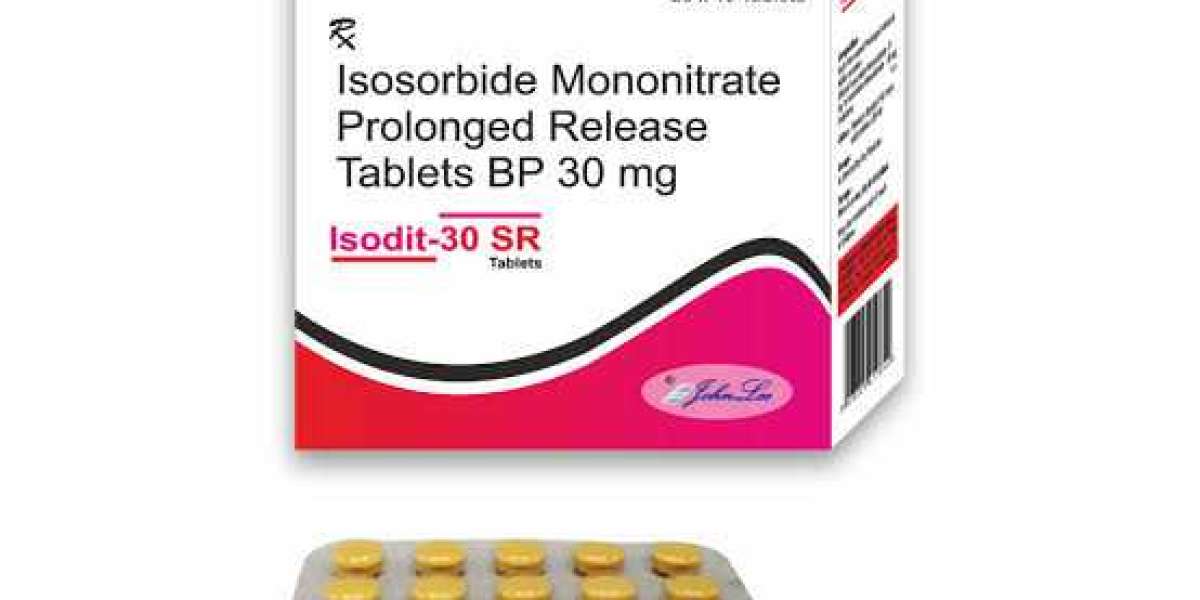
Beyond polymers, isosorbide has an established role in pharmaceuticals. It is used in the production of isosorbide mononitrate and isosorbide dinitrate, medicines associated with the treatment of cardiovascular conditions. Its versatility also creates opportunities in cosmetics, personal care products, coatings, adhesives, and high-performance resins.
Get Sample PDF Copy: https://www.transparencymarketresearch.com/sample/sample.php?flag=Srep_id=1030
Technical Grade to Maintain Market Leadership
By grade, technical-grade isosorbide is expected to remain a dominant segment because of its broad industrial applications and cost advantages. Typically offering purity levels of around 98%–99%, technical-grade material is suitable for applications such as bioplastics, resins, coatings, and other polymer systems where ultra-high purity is not essential.
PEIT Emerges as a Key Application
Polyethylene Isosorbide Terephthalate (PEIT) is anticipated to gain significant traction because of its combination of sustainability and performance. As a bio-based polyester derived partly from isosorbide, PEIT can offer enhanced thermal stability, mechanical strength, and transparency compared with conventional materials in selected applications.
Growing interest in sustainable packaging, consumer products, and automotive materials is expected to support demand for PEIT during the forecast period.
Asia Pacific Offers Significant Growth Opportunities
Asia Pacific is expected to remain a leading regional market, supported by industrialization, expanding construction activity, and growing manufacturing capabilities in countries such as China, Japan, South Korea, and India. Increasing investments in sustainable materials and advanced polymer technologies are likely to strengthen regional demand.
Competitive Landscape and Recent Developments
Major companies operating in the isosorbide market include Cargill Inc., Roquette Frères, Archer Daniels Midland Company, Novaphene, Mitsubishi Chemical Group, Shri Rajaram Chemicals Engineering, JP Laboratories, and Endo Inc.
Recent developments highlight the industry's sustainability focus. In January 2024, Roquette announced ISCC PLUS certification for its POLYSORB® isosorbide and related grades, reinforcing its bio-based value proposition. In February 2024, Mitsubishi Chemical Group announced the use of its plant-derived DURABIO™ material, made using isosorbide, in a toothbrush handle.
Overall, the isosorbide market is positioned for sustained growth through 2034. Continued innovation, greater production efficiency, regulatory support, and increasing demand for sustainable materials are expected to create attractive opportunities for manufacturers and investors across the global value chain.
Contact:
Abhishek Budholiya
Transparency Market Research Inc.
State Tower, 90 State Street, Suite 700,
Albany NY - 12207, United States
Tel: +1-518-618-1030
USA - Canada Toll Free: 866-552-3453