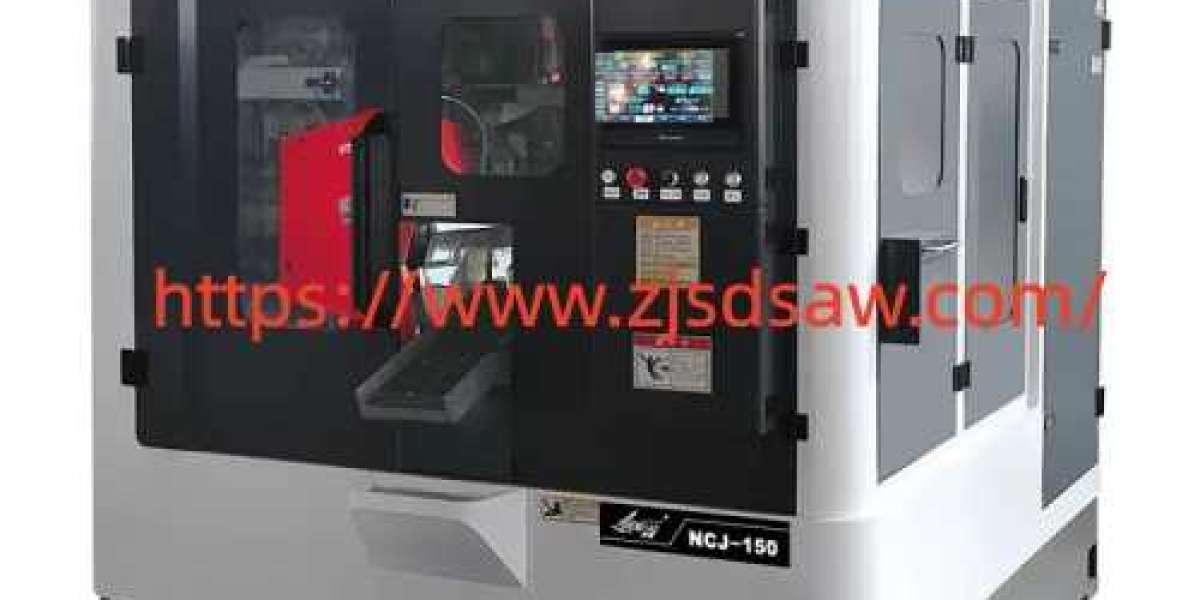

Graphite Cutting Band Saw Machine selection requires more attention than simply comparing motor power or machine dimensions. Buyers should begin with the actual material they plan to process, including density, block size, thickness, shape, brittleness, and expected production volume. Graphite behaves differently from common metal stock because it is relatively brittle and produces fine particles during processing. Its density can also influence cutting behavior, feed conditions, tool wear, and overall operating stability.
Material dimensions should be confirmed before discussing a specific configuration. A workshop handling small blocks may have different requirements from a manufacturer working with large rectangular sections. Buyers should check the available working area, maximum section capacity, loading arrangement, and support structure. These details influence how easily an operator can position raw material and maintain a consistent cutting path.
Density is another factor worth discussing with the manufacturer. Lower density material may respond differently from denser grades during processing. Changes in resistance can affect feed settings, blade behavior, and surface condition. Chendiao can evaluate the intended material specifications when discussing equipment configuration, allowing buyers to provide useful information before requesting a quotation.
Blade selection deserves careful consideration because the material can be abrasive even though it is relatively soft. Fine particles may accumulate around the cutting area and influence blade movement. Industry sources note that blade tooth geometry and tooth spacing can affect particle removal during processing, while improper blade selection can contribute to wear and unstable cutting behavior.
Dust management should be part of the purchasing discussion from the beginning. Processing generates fine carbon particles that can spread around the working area and settle on machine components. Some technical sources highlight the conductive nature of these particles and the need to protect electrical components and maintain suitable ventilation.
For this reason, buyers should ask how the equipment is designed around particle management. Check the cutting enclosure, collection points, accessible cleaning areas, protective arrangements, and airflow requirements. A practical cleaning routine can also help prevent buildup around guides, moving components, and electrical areas. Chendiao has also highlighted regular cleaning, blade inspection, guide condition, and particle control as useful maintenance considerations for this type of application.
Workholding is another detail that can influence processing results. The raw block needs suitable support throughout the cycle. Unwanted movement may contribute to edge damage, uneven surfaces, or changes in dimensional consistency. Buyers should therefore examine the clamping method, support points, adjustment range, and accessibility for loading and unloading.
Operating parameters should also match the material. Cutting speed, feed rate, pressure, and blade condition work together. Dense grades may require more controlled settings, while less dense material may allow different operating conditions. A recent industry discussion from Chendiao notes that material density can influence cutting efficiency and that operators may need to adjust speed, feed, and cutting pressure according to material characteristics.
The machine structure should be evaluated beyond its basic appearance. Buyers can ask about guide movement, drive components, blade alignment, worktable construction, electrical protection, and access to service points. These details become more relevant when equipment is used for repeated production cycles.
Maintenance planning should be discussed before purchase rather than after installation. Ask how operators should inspect the blade path, clean accumulated particles, check guides, monitor vibration, and maintain moving parts. Regular observation can help identify changes in cutting behavior before they develop into larger production interruptions.
Workshop layout also deserves attention. Consider where raw blocks will be stored, how they will reach the machine, where finished sections will go, and how operators will access the working area. Adequate space around the equipment can make loading, cleaning, inspection, and maintenance easier.
Service support is another practical purchasing factor. Manufacturers should be able to discuss installation requirements, operating guidance, spare parts, maintenance recommendations, and technical communication. Buyers can also ask for processing suggestions based on their specific material grade and dimensions. Providing sample material information before ordering can make the technical discussion more useful.
Chendiao focuses on sawing equipment for industrial material processing and can work with manufacturers to evaluate application details before equipment selection. Buyers should prepare information about material density, dimensions, expected workload, cutting requirements, workshop conditions, and preferred operating method. A clear technical brief helps connect equipment configuration with actual production needs.
Before making a purchasing decision, compare blade compatibility, workholding, particle management, operating controls, structural design, maintenance access, installation conditions, and technical support together. This approach gives manufacturers a clearer basis for evaluating whether a configuration matches their workflow. Buyers can review product information and available equipment at https://www.zjsdsaw.com/product/ as they continue comparing suitable processing solutions.