
The App-Enabled Toy and Digital Playground Solution
The most prevalent and accessible Smart Toys Market Platform is the app-enabled toy, which seamlessly connects a physical object to a rich digital experience on a smartphone or tablet. This solution typically involves a physical toy—be it a robot, a vehicle, a dollhouse, or a building set—that is equipped with Bluetooth connectivity. The core of the solution lies in the companion app, which acts as the remote control, the game board, and the content delivery system. Through the app, a child can drive a robotic car, program a robot's movements, or interact with a doll. More than just a remote, the app transforms the experience into a digital playground. It can provide structured missions, interactive stories, and creative building challenges that guide and enhance the physical play. This solution is powerful because it leverages the ubiquitous presence of smart devices in modern homes, turning a parent's phone or tablet into a gateway that unlocks a deeper level of interactivity and replayability for the physical toy, effectively merging two distinct play patterns into one cohesive experience.
The Conversational AI Companion Solution
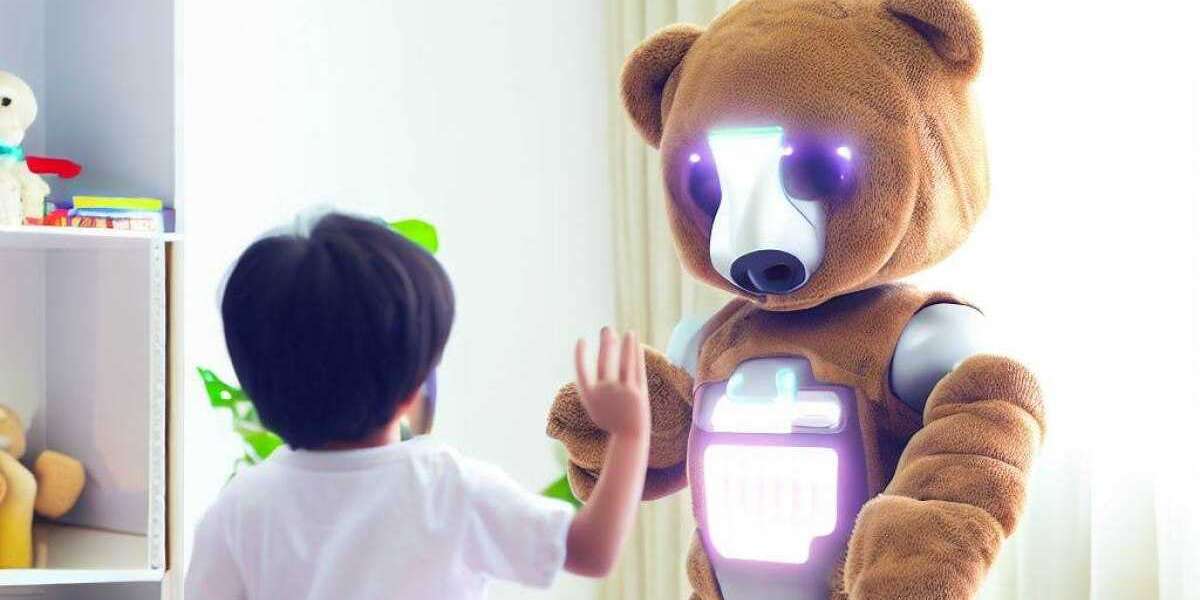
A more advanced and ambitious smart toy solution is the conversational AI companion. This solution aims to create a toy, often a doll or a friendly robot, that can engage in natural, unscripted conversations with a child, functioning as an interactive friend and learning partner. The technology behind this solution is complex, relying on a combination of far-field microphones to pick up the child's voice, sophisticated cloud-based Automatic Speech Recognition (ASR) to transcribe their words, and Natural Language Processing (NLP) to understand their intent. An AI engine then generates an appropriate and context-aware response, which is delivered through the toy's speaker using a Text-to-Speech (TTS) engine. This solution is designed to provide companionship, answer a child's endless stream of questions, tell stories, and play simple voice-based games. The ultimate goal of this solution is to create a toy that feels truly "alive," capable of forming an emotional bond with the child and adapting its personality and knowledge base over time through ongoing cloud updates.
Subscription Models and Continuous Content Updates
The business model for smart toys is evolving, with a noticeable trend away from a simple one-time hardware purchase towards a more sustainable and long-term service-based relationship. Many smart toys are now designed as platforms that can be continuously updated with new content, features, and play experiences delivered through their companion apps. This trend significantly extends the lifespan and replayability of a toy, preventing it from being quickly discarded as a child grows or becomes bored. To support this, some companies are adopting subscription models. A parent might pay a monthly or annual fee to unlock a premium tier of content, such as new educational lessons for a coding robot, new stories and games for an interactive doll, or new worlds and characters for a toys-to-life game. This "Toy-as-a-Service" model provides manufacturers with a predictable, recurring revenue stream and incentivizes them to keep investing in fresh content, ensuring the toy remains engaging and valuable to the child over a much longer period.
A Growing Focus on Sustainability and Longevity
As consumer awareness around environmental issues grows, a powerful trend in the smart toys market is the increasing focus on sustainability. This addresses a key criticism of electronic toys: the problem of e-waste. Manufacturers are responding in several ways. On the materials side, there is a push to use more recycled plastics and other eco-friendly materials in the construction of the toys themselves. More strategically, the very nature of smart toys offers a solution to the problem of short product lifecycles. Because a smart toy's play experience is largely defined by its software, its lifespan can be dramatically extended through over-the-air updates. A toy that might have been outgrown in a year can remain fresh and challenging for several years with the addition of new software-driven games, stories, and educational content. This trend repositions the smart toy not as a disposable gadget, but as a long-term play platform, which not only provides better value for the consumer but also helps to mitigate the environmental impact of the toy industry.