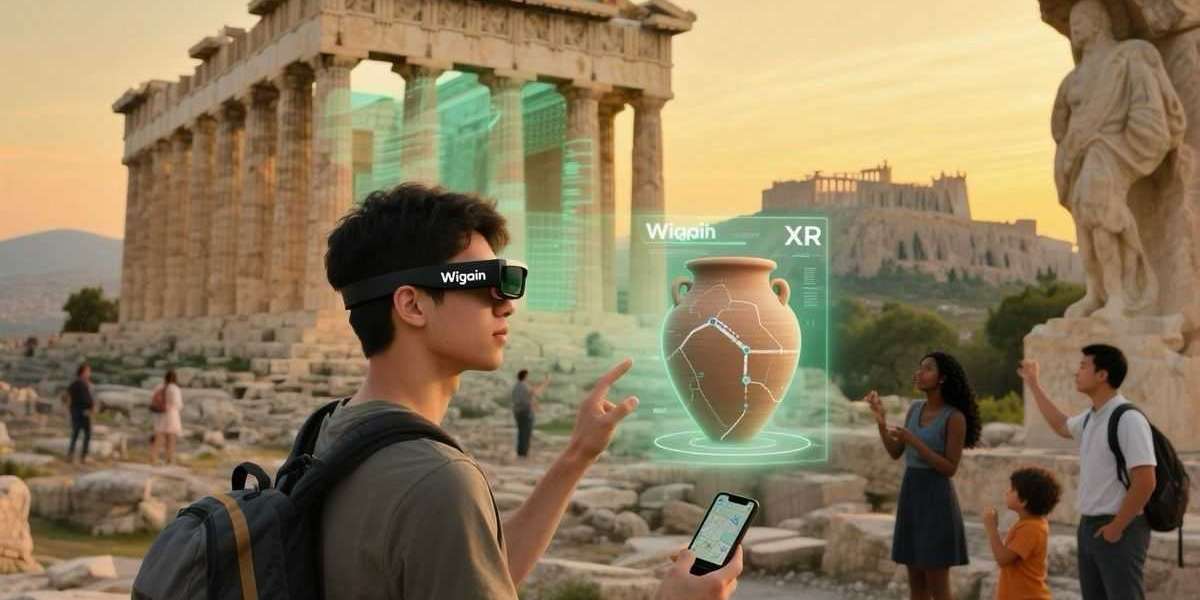

The Virtual Reality Market features a highly competitive and rapidly evolving landscape characterized by the presence of major technology conglomerates, specialized hardware manufacturers, game development studios, enterprise software providers, and innovative startups all competing for market share and technological leadership in the immersive computing ecosystem. The competitive dynamics of this market are shaped by several key factors, including the performance and price of VR hardware, the breadth and quality of content ecosystems, the sophistication of developer tools and platforms, and the ability to deliver seamless and comfortable user experiences that drive sustained engagement and adoption. Major technology companies including Meta Platforms, Sony, Apple, and HTC have invested billions of dollars in developing comprehensive VR platforms that integrate hardware, operating systems, content stores, and social features into unified ecosystems designed to capture and retain users. The intensity of competition is driving rapid innovation, declining prices, and expanding capabilities across the market, benefiting consumers and enterprises seeking to adopt immersive technologies.
The competitive landscape is being significantly reshaped by a wave of strategic acquisitions, partnerships, and ecosystem investments that are consolidating market share and expanding the technological capabilities of leading VR platform providers. Major technology companies are actively acquiring VR game studios, interaction technology startups, and spatial computing firms to strengthen their content pipelines, enhance their hardware capabilities, and accelerate their development roadmaps in the race to establish dominant VR platform ecosystems. Strategic partnerships between VR hardware manufacturers and semiconductor companies, display panel suppliers, and telecommunications providers are creating vertically integrated supply chains that optimize component performance, reduce manufacturing costs, and accelerate time to market for next-generation headsets. The growing collaboration between VR platform providers and major entertainment studios, sports leagues, and educational institutions is creating exclusive content partnerships that drive hardware adoption and differentiate competing platforms through unique experiential offerings. These ecosystem-building strategies are creating significant competitive advantages for organizations that can assemble comprehensive VR platforms spanning hardware, software, content, and community features.
The emergence of specialized enterprise VR solution providers and industry-specific application developers is introducing new competitive dynamics into the market by addressing the unique requirements of business and institutional customers that consumer-focused VR platforms cannot fully satisfy. These enterprise-focused companies are developing customized VR training simulations, design visualization tools, therapeutic applications, and collaborative workspaces that integrate with existing enterprise IT systems, comply with industry-specific regulatory requirements, and deliver measurable return on investment metrics that justify organizational deployment at scale. The growing demand for turnkey VR solutions that include hardware provisioning, content customization, deployment management, and ongoing support is creating opportunities for system integrators and managed service providers that can deliver comprehensive immersive technology programs to organizations without internal VR expertise. As enterprise VR adoption accelerates and use cases expand across healthcare, manufacturing, defense, and education sectors, the competitive importance of specialized enterprise solutions is expected to grow substantially relative to consumer-oriented platform competition.
Pricing strategy innovation and the evolution of VR monetization models are becoming increasingly important competitive differentiators as platform providers seek to balance hardware accessibility with sustainable revenue generation across the VR ecosystem. Traditional hardware-centric revenue models are being supplemented by subscription-based content services, virtual goods marketplaces, advertising platforms, and enterprise licensing arrangements that create recurring revenue streams beyond initial device sales. Some VR platform providers are adopting subsidized hardware pricing strategies that sell headsets at or below cost to rapidly expand their installed user base, with the expectation of generating long-term revenue through content sales, platform commissions, and advertising within their VR ecosystems. The growing availability of freemium VR experiences and ad-supported content models is lowering the cost of entry for new users while creating monetization pathways for content developers. As competition intensifies and the VR market matures, the ability to develop sustainable and diversified monetization strategies is expected to become a critical determinant of long-term competitive success.
Explore Our Latest Trending Reports :