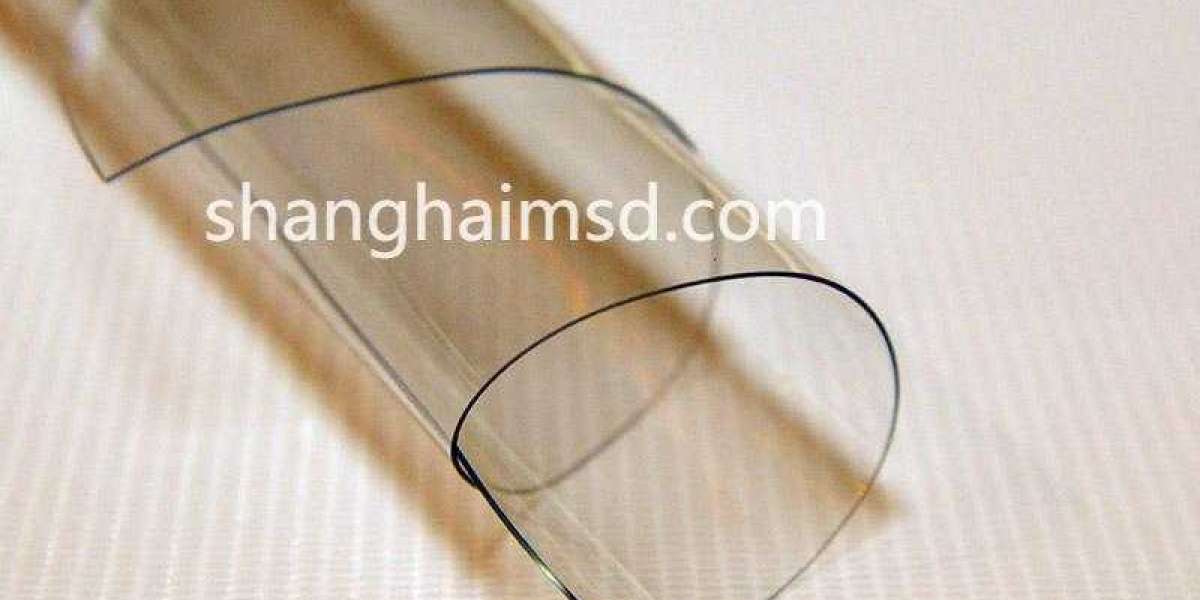

A ceiling can influence the atmosphere of an interior just as much as walls, floors, and lighting. PVC Ceiling Film from ShanghaiMsd offers a flexible approach to overhead design, combining a lightweight PVC surface with stretch-ceiling installation methods. The material can form smooth surfaces, accommodate different visual concepts, and work with lighting elements, giving designers another way to shape the character of residential, commercial, hospitality, and public interiors.
Traditional ceiling structures often depend on rigid panels, fixed shapes, and visible joints. A flexible film introduces a different design language. Once installed on a perimeter track, the material can be tensioned into a smooth plane or adapted to selected curves and forms. This creates opportunities for interiors where the ceiling is intended to become part of the overall architectural composition rather than simply serving as a background surface.
Light is another element that can be incorporated into the design. Translucent film can work with concealed lighting to create an illuminated overhead surface, while matte finishes can provide a softer visual effect. Glossy surfaces may interact differently with surrounding light, and printed designs can introduce patterns, imagery, or thematic details. These options allow designers to coordinate the ceiling with furniture, wall finishes, signage, and other interior elements.
The material can also be considered when an existing ceiling needs a refreshed appearance without extensive structural alteration. A stretch system can conceal selected irregularities, wiring, ducts, or other overhead elements while maintaining access planning for lighting and ventilation. Careful measurement and professional installation remain important, particularly when the room contains complex architectural details or integrated fixtures.
Moisture is another factor worth considering during material selection. Flexible PVC surfaces are used in environments where humidity and regular cleaning are part of everyday operation, including bathrooms, kitchens, pools, spas, and other interior areas. The smooth surface can also make routine cleaning relatively straightforward, although cleaning methods should always follow the material and installation requirements.
Beyond private interiors, this ceiling approach can contribute to the visual identity of commercial spaces. Hotels can use illuminated or patterned overhead surfaces to establish a particular atmosphere. Restaurants may coordinate ceiling finishes with dining themes, while retail environments can integrate colors and graphics into broader visual merchandising concepts. Offices, educational spaces, healthcare facilities, and exhibition areas can likewise consider different finishes according to their functional and decorative needs.
Another appealing aspect is the relationship between material and customization. Instead of beginning with a fixed ceiling shape and adapting the design afterward, architects and interior designers can consider the available forms, finishes, translucency, and lighting arrangement during the early planning stage. This creates a more integrated design process in which the ceiling becomes an active part of the room's visual story.
Good ceiling design does not have to compete with everything below it. Sometimes the most effective approach is a quiet surface that supports lighting, color, proportion, and spatial flow. In other projects, a printed or illuminated ceiling can become a defining visual element. The flexibility of the material allows these different directions to coexist within one design category.
If your next interior project needs a ceiling concept that leaves room for imagination, do not stop with a sketch on paper. Visit https://www.shanghaimsd.com/product/ and take a closer look at the material possibilities waiting behind the surface. Your next ceiling may not need a louder design—perhaps it simply needs a more thoughtful one.