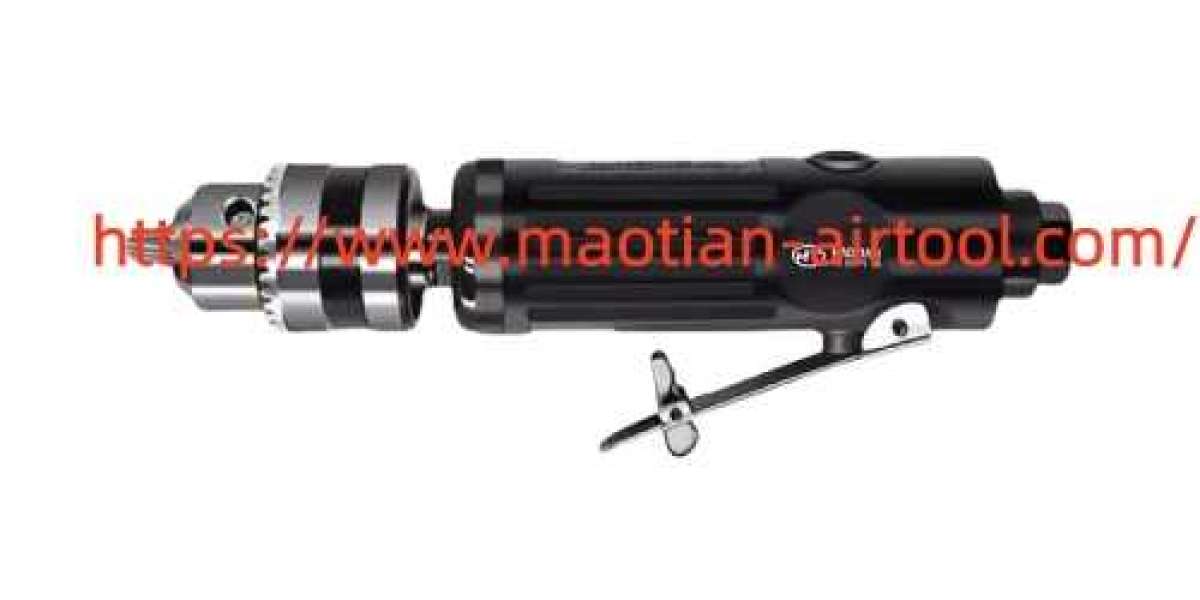

3/8" Pistol Grip Keyed Chuck Air Drill selection requires more than checking the advertised speed or power figure. Buyers should consider the materials being processed, required hole sizes, available compressed air, operating pressure, handling comfort, rotation control, connection requirements, and maintenance routine. Similar pneumatic models can have noticeably different specifications. For example, current products in this category can range around 1,700 to 2,400 RPM, while air consumption and recommended pressure also vary between models.
The application should come before the specification sheet. A workshop handling aluminum panels may have different requirements from a repair team working with steel components or composite materials. Hole diameter, material thickness, drilling depth, and available working space should all be considered. These factors help buyers determine what combination of rotation speed and power is appropriate for their daily tasks.
Rotation speed is an important point of comparison. Higher free speed can be useful for certain lighter materials and finishing applications, while lower rotational rates can provide a different working feel when dealing with harder materials or larger cutting requirements. Current pneumatic models show a broad range of available speeds, so buyers should avoid selecting equipment simply because the numerical figure appears attractive. The correct speed depends on the material, accessory, and intended operation.
Air consumption deserves equal attention. Pneumatic equipment relies on the workshop compressor, and the stated consumption should be compared with the actual air delivery available from the compressor. Some comparable products list average consumption around 4 CFM, while loaded consumption can be considerably higher. This difference is important when equipment will be used continuously. A compressor that cannot maintain sufficient airflow may cause a noticeable reduction in working consistency.
Operating pressure should also be checked carefully. Many comparable pneumatic models are rated around 90 PSI, but the exact requirement depends on the individual design. Buyers should follow the manufacturers specified pressure rather than increasing supply pressure without checking the product documentation. Excessive pressure can increase stress on internal components, while insufficient pressure can affect the available output. A regulator can help maintain a suitable supply when the workshop system operates at a higher pressure.
Connection compatibility is another practical concern. Buyers should check the air inlet specification, hose diameter, fittings, and couplers before placing an order. Several comparable products use a 1/4 inch NPT inlet together with a recommended 3/8 inch hose, although specifications differ between designs. Matching the complete air path can help reduce unnecessary restrictions and make installation easier.
Handling can make a noticeable difference when equipment is used throughout a workday. A pistol style body can provide a familiar grip for many workshop applications, but buyers should still consider overall weight, balance, trigger response, exhaust direction, and control placement. Current models in this category can weigh around two to three pounds, while other configurations may be heavier. The right balance depends on how frequently the equipment will be moved and how long each operation normally lasts.
The fastening mechanism also deserves attention. A keyed design allows the operator to secure the accessory with a dedicated key, while different mounting systems may offer different handling characteristics. Buyers should consider whether the chosen arrangement suits their normal workflow and whether replacement accessories are readily available. Proper tightening is important because an incorrectly secured accessory can affect accuracy and create a safety concern during operation.
Reversibility can add flexibility for certain workshop tasks. Some current pneumatic models provide forward and reverse operation, which can be useful for applications involving removal as well as installation. Variable trigger control is another feature worth checking because it can give operators more control when starting a hole or working with delicate surfaces. Product specifications show that both reversible and non reversible configurations are available, so this should be treated as an application decision rather than an assumed feature.
Maintenance should be considered before purchase as well. Pneumatic equipment benefits from clean air, suitable lubrication, and regular inspection. Moisture should be managed within the compressed air system, while filters and connections should be checked periodically. Operators should also follow the maintenance instructions supplied with the specific model. These simple practices can help keep pneumatic equipment in suitable working condition and support more predictable daily operation.
Maotian focuses on pneumatic equipment for workshop and mechanical applications, giving buyers the opportunity to compare specifications according to their working requirements. Instead of selecting a product based on one number, customers can assess air requirements, rotation speed, handling, connection design, construction, and intended applications together.
A careful purchasing process starts with the actual job. Material type, hole dimensions, operating frequency, compressor capacity, air pressure, hose configuration, handling requirements, and maintenance arrangements all deserve attention. Buyers who want to review Maotian pneumatic products and available configurations can visit https://www.maotian-airtool.com/ and compare the product information with their workshop requirements. This approach provides a practical basis for selecting equipment that fits the intended working environment.